

I noticed my cat’s breath smelling different for several weeks before her annual checkup, and when I casually mentioned it to the vet almost as an afterthought, it turned out to be stage two dental disease. She had shown no obvious signs of pain. That is the part about common health problems in indoor cats that catches most owners completely off guard: these conditions develop slowly, quietly and behind a face that looks perfectly fine. This article covers the seven issues vets see most often, the symptoms that are easy to overlook and what you can start doing today to catch problems before they escalate.
The most common health problems in indoor cats are dental disease, obesity, diabetes, chronic kidney disease, FLUTD, hyperthyroidism and arthritis. Most develop gradually and cats mask symptoms well. Indoor lifestyle factors like low activity and stress directly drive several of these. Annual vet exams with bloodwork are the most reliable way to catch them early.
Why Indoor Cats Are Not as Protected from Illness as You Think?
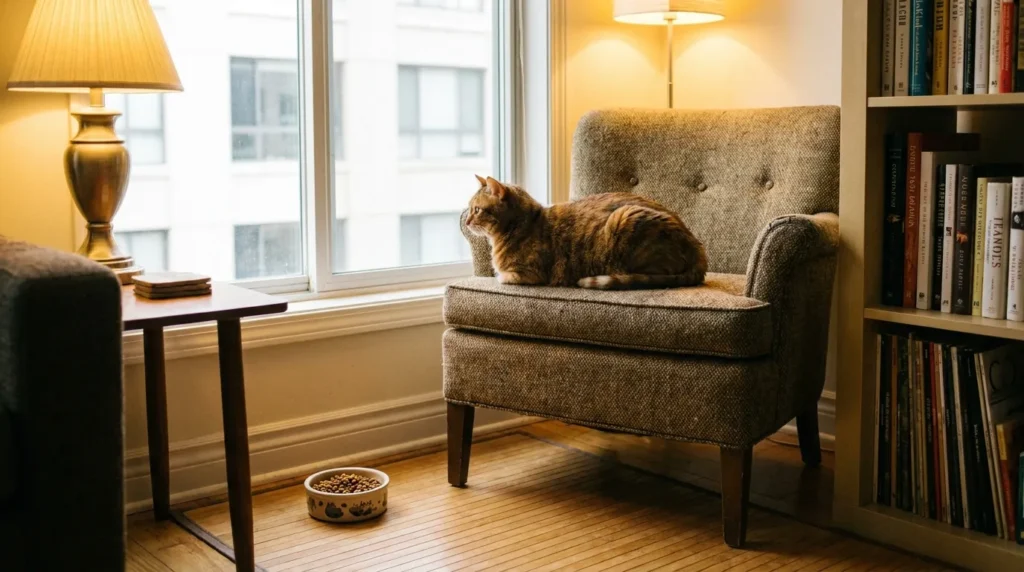
Common health problems in indoor cats develop from the indoor lifestyle itself, not just from external exposures. Low activity, high-calorie food, stress from boredom and limited hydration all create conditions where disease takes hold quietly over months and years. Safety from traffic and predators is real but it does not replace prevention.
Cats also hide illness by instinct. A cat in pain will still eat, still greet you at the door and still seem mostly normal until a problem is genuinely advanced. This is not stubbornness. It is biology. Wild cats that showed weakness became prey, so their descendants evolved to mask discomfort with impressive consistency.
Understanding your cat’s indoor cat health baseline is the only way to notice when something shifts. You cannot spot the early signs if you have never tracked what normal looks like for her specifically.
The 7 Most Common Health Problems in Indoor Cats
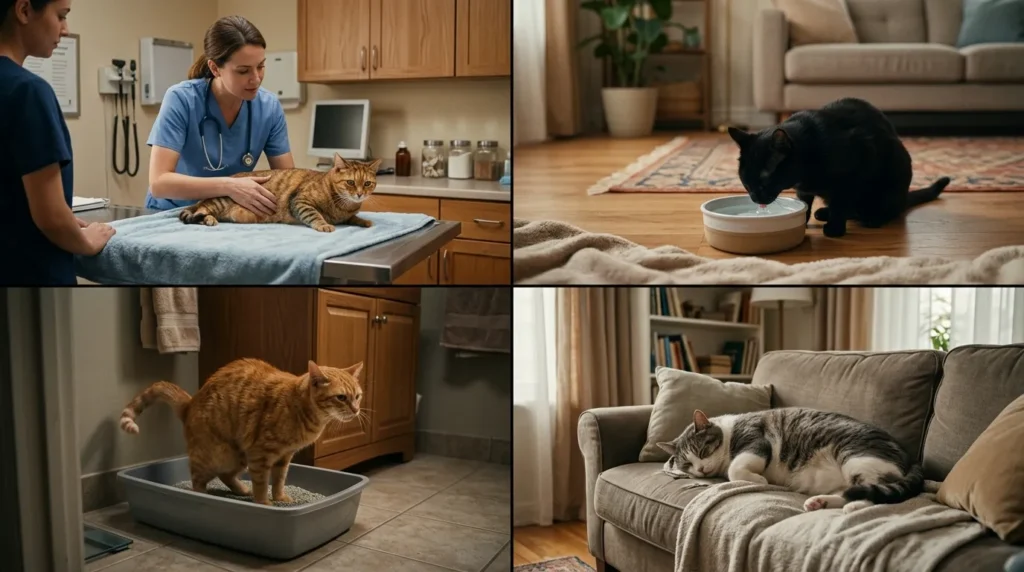
These seven conditions appear most consistently in indoor cats according to ASPCA veterinary data and pet insurance claims. Each one has a direct connection to how indoor cats live and what they eat.
| Condition | Primary Indoor Risk Factor | Key Early Sign |
| Dental disease | No dental care, soft food diet | Bad breath, drooling |
| Obesity | Overfeeding, low activity | Weight gain, belly rounding |
| Diabetes mellitus | Obesity, high-carb diet | Increased thirst and urination |
| Chronic kidney disease | Aging, low water intake | Drinking more, weight loss |
| FLUTD / feline idiopathic cystitis | Stress, low hydration | Straining in litter box |
| Hyperthyroidism | Age, genetics | Weight loss despite normal eating |
| Arthritis | Age, obesity, inactivity | Reluctance to jump or climb |
Dental disease affects up to 70 percent of cats over age three and ranks as the most consistently missed condition in indoor cats. The mouth changes slowly and cats rarely stop eating until pain is severe. Feline lower urinary tract disease is strongly linked to stress and sedentary indoor living, making it particularly common in apartment cats with limited stimulation.
Chronic kidney disease is the leading cause of death in older cats and develops so gradually that most owners first notice it through subtle behavioral changes rather than obvious symptoms. Obesity in indoor cats connects directly to diabetes, arthritis and shortened lifespan, and it happens one extra treat and one skipped play session at a time.
Symptoms of Indoor Cat Health Problems That Are Easy to Miss
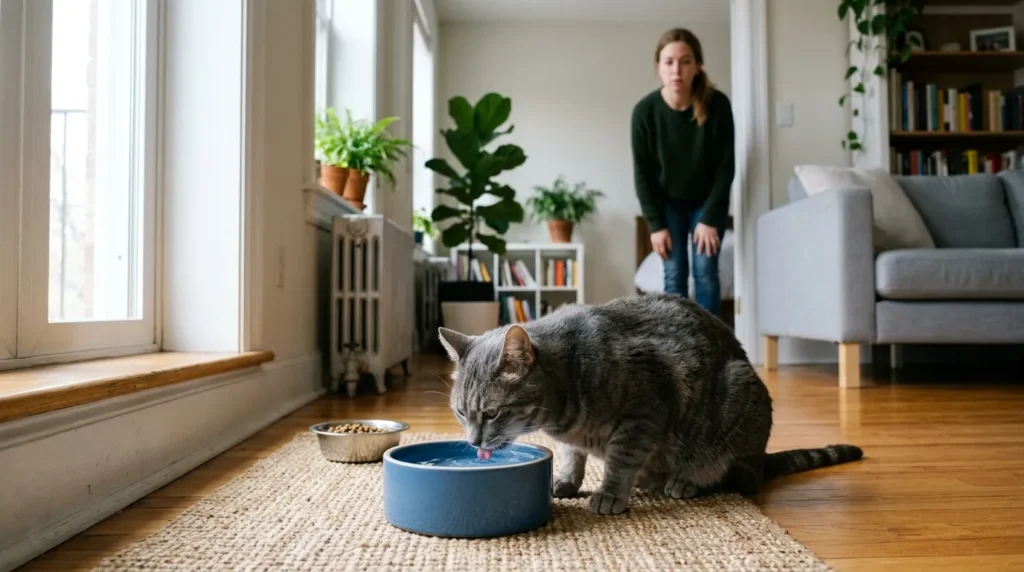
Increased thirst is one of the most reliable early warning signs for diabetes, kidney disease and hyperthyroidism combined. If your cat suddenly seems to empty her water bowl faster than she used to, that change alone is worth a vet call. It is not a dramatic symptom but it is a real one.
Subtle weight loss in a cat who still eats normally is equally significant. Hyperthyroidism and early kidney disease both cause weight to drop while appetite stays normal or even increases. Most owners chalk this up to age without realizing it is a clinical signal. Tracking your cat’s weight quarterly on a kitchen scale catches this long before a visual inspection would.
Watch her litter box habits closely for anything that shifts from her normal pattern. Straining, frequent small trips, avoiding the box entirely or crying while inside it are all signs of urinary trouble that need same-week attention. Litter box avoidance especially can look like a behavior problem when it is actually pain.
Indoor Lifestyle Factors That Fuel These Conditions
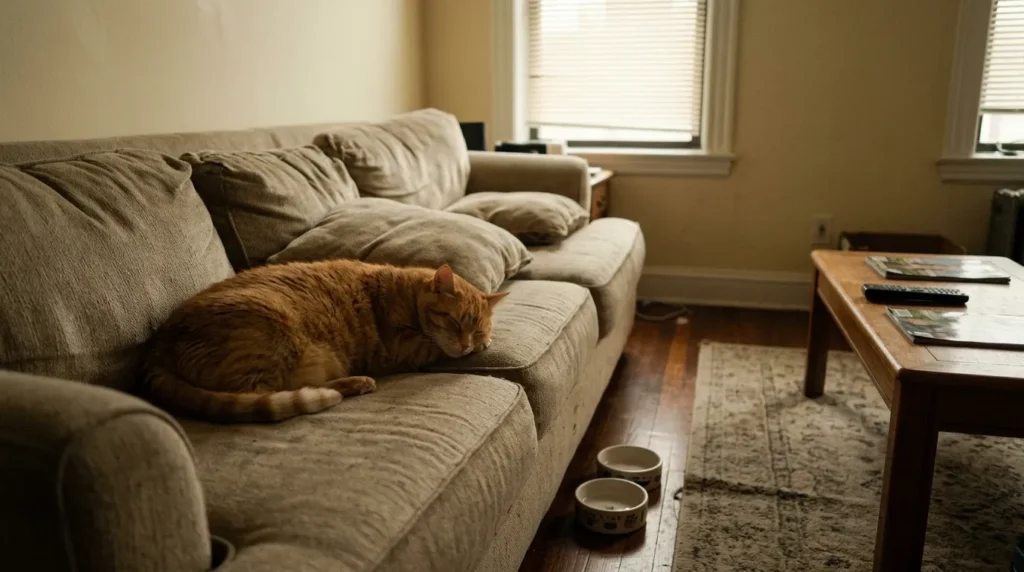
Cats living in apartments or small homes with limited enrichment carry more chronic stress than most owners realize. Stress directly triggers feline idiopathic cystitis, suppresses immune function and encourages the kind of comfort eating that leads to obesity. A cat that seems calm and quiet may actually be chronically understimulated.
Hydration is a significant driver of urinary and kidney health and indoor cats typically drink too little. Cats evolved to get most of their water from prey, not from a bowl sitting beside a dry food dish. A cat eating only dry kibble is chronically mildly dehydrated, and that low-grade dehydration creates ideal conditions for kidney strain and crystal formation in the bladder.
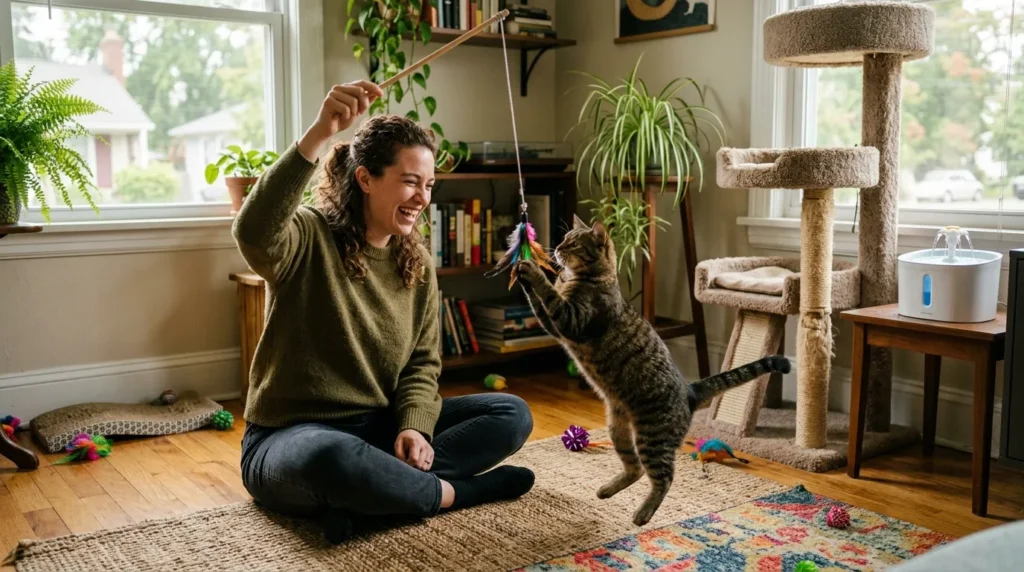
Cats living in apartments benefit enormously from environmental enrichment that keeps them mentally active and physically moving through the day. An engaged cat drinks more, plays more and maintains a healthier weight than one who simply waits for the food bowl to be filled.
Prevention That Genuinely Reduces Common Indoor Cat Health Problems
Annual vet exams with bloodwork and urinalysis starting at age seven catch kidney disease, diabetes and hyperthyroidism before symptoms become obvious. Most indoor cats spend years with developing conditions that a simple blood panel would flag at a treatable stage. One yearly appointment is genuinely the highest-return health investment you can make.
Dental care matters more than most owners give it credit for. Brushing your cat’s teeth three to four times a week with cat-specific toothpaste is the gold standard. If that is not realistic, dental-formulated wet food and regular grooming checkups that include mouth inspections are the next best option. Do not wait for bad breath to appear because it means the disease is already established.
What you feed your cat determines a large portion of her long-term disease risk. High-protein wet food keeps hydration up, supports lean body mass and reduces the carbohydrate load that contributes to diabetes and obesity. Portion control matters just as much as food quality.
Real Talk: A cat water fountain is one of the cheapest and most effective preventive tools available. Most cats drink significantly more when water moves. More water intake directly reduces FLUTD risk and supports kidney health. The limitation is that you have to clean it regularly or it becomes a bacteria pool, which defeats the purpose.
Adding vertical climbing furniture keeps cats physically active through the day without requiring scheduled play sessions. A cat who can jump, stretch and climb on her own schedule burns more calories and stays more mentally engaged than one confined to floor-level living.
The Mistake That Keeps Indoor Cat Health Problems Hidden Longest

The most damaging mistake indoor cat owners make is using “she seems fine” as a health assessment. Cats are expert symptom maskers. A cat with early kidney disease still eats, still purrs and still meets you at the door. The only way to find early disease in a masking animal is to look for it deliberately, not wait for it to become undeniable.
Skipping annual vet visits when a cat appears healthy is how conditions that could have been managed at stage one become conditions that are managed at stage three. Indoor cats who see a vet every year get bloodwork results that trend over time, and trending numbers tell a story that a single snapshot cannot. Tracking your cat’s behavior patterns adds a behavioral layer to that picture, because behavioral shifts often precede clinical findings.
Real Talk: I have never regretted taking a cat to the vet unnecessarily. I have absolutely regretted waiting.
When These Symptoms Mean a Vet Visit Cannot Wait?
Any combination of straining in the litter box, crying during urination or complete inability to urinate requires emergency veterinary care, not a same-week appointment. Male cats especially can develop life-threatening urinary blockages within hours. This is one situation where waiting even overnight is too long.
Sudden unexplained weight loss, collapse, inability to stand, open-mouth breathing or a pale or gray gum color in any cat are emergencies that need immediate action. These go beyond the common, manageable conditions this article covers and indicate acute crisis. Understanding what a healthy indoor cat looks like day to day makes these deviations much more obvious when they happen.
This article is for informational purposes only. Always consult your vet if you have concerns about your cat’s health.
Frequently Asked Questions About Indoor Cat Health Problems
What are the most common health problems in indoor cats?
Dental disease, obesity, diabetes, chronic kidney disease, FLUTD and hyperthyroidism are the most frequently diagnosed conditions in indoor cats. Arthritis becomes increasingly common as cats age past seven. Most develop quietly over months or years before symptoms become visible, which is why annual bloodwork and urinalysis matter so much for early detection.
Why do indoor cats get dental disease if they don’t eat wild prey?
Without the mechanical tooth-cleaning effect of chewing bones and raw tissue, indoor cats accumulate plaque and tartar much faster than their wild counterparts. Soft food diets make this worse. Dental disease affects most cats over age three and causes chronic low-grade pain that cats rarely show directly. Regular tooth brushing or dental food is the most effective prevention.
How can I tell if my indoor cat has FLUTD?
Signs include frequent trips to the litter box with little or no urine produced, crying or vocalizing while in the box, licking at the genital area repeatedly or urinating outside the box suddenly. Blood-tinged urine is also a sign. Male cats who cannot urinate at all face a life-threatening blockage and need emergency care immediately.
Can indoor cats get diabetes?
Yes. Diabetes is directly linked to obesity and high-carbohydrate diets, both of which are common in indoor cats with low activity levels. A diabetic cat typically drinks more water, urinates more frequently and may lose weight even while eating normally. Diabetes in cats is often manageable with insulin and dietary changes when caught early, and some cats go into remission with treatment.
How often should an indoor cat see a vet for health problems to be caught early?
Annual wellness exams are the minimum for adult indoor cats. Once your cat reaches age seven, biannual visits are worth considering because conditions like kidney disease and hyperthyroidism progress faster in senior cats. Each visit should include bloodwork and urinalysis. A vet who sees your cat yearly has trend data to compare. A vet who sees her every three years is essentially meeting her fresh each time.
Common health problems in indoor cats include dental disease, obesity, diabetes mellitus, chronic kidney disease, feline lower urinary tract disease, hyperthyroidism and arthritis. Dental disease affects up to 70 percent of cats over age three. FLUTD is directly linked to stress and low hydration in sedentary indoor cats. Annual vet exams with bloodwork beginning at age seven catch most of these conditions at a treatable stage. High-protein wet food, regular dental care, daily play and a stimulating indoor environment reduce disease risk significantly.

Written by Mishu
A passionate cat lover and indoor living enthusiast, Mishu is the founder and voice behind Indoor Living Cat – a go-to resource for cat owners who want to create the happiest, healthiest life for their feline companions indoors.
View Full Profile