
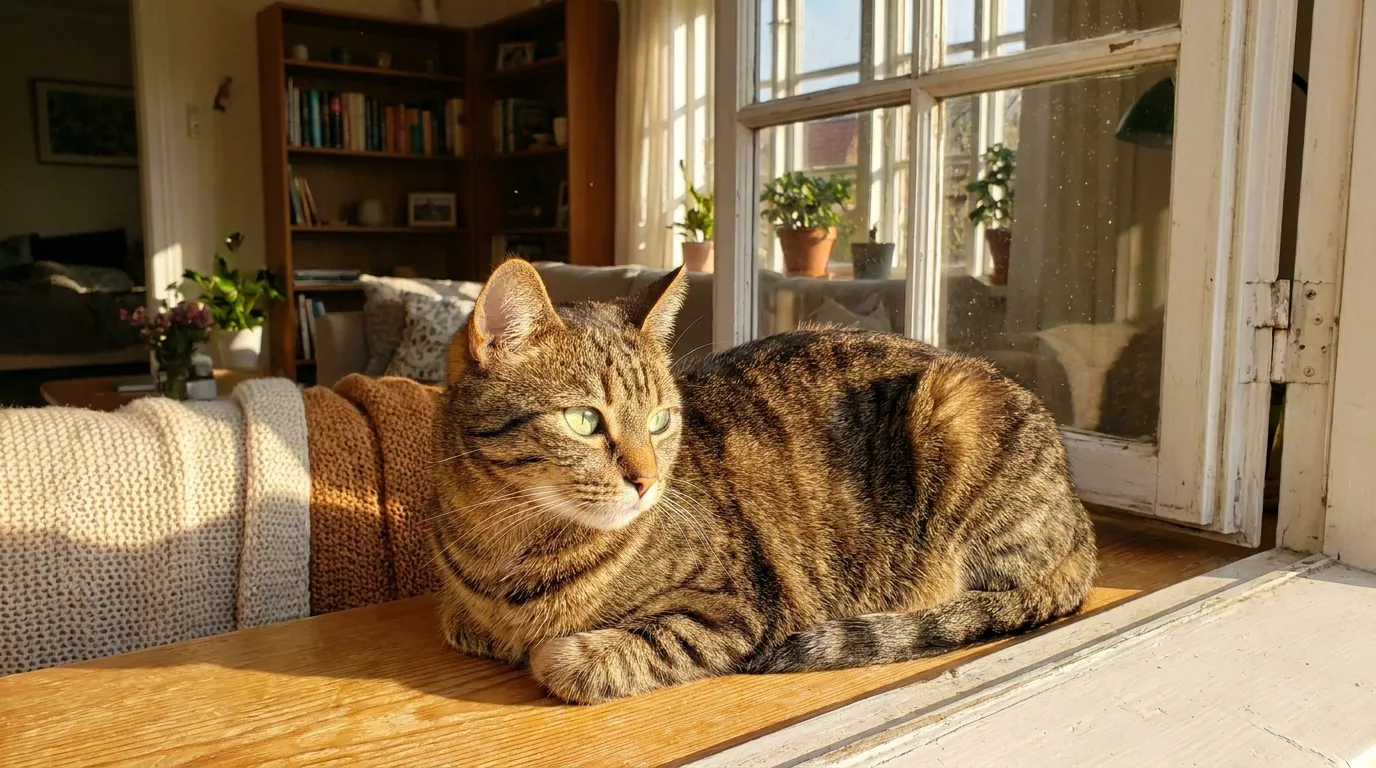
The year my tortoiseshell turned 16, she still beat me to the kitchen every morning. Most people who met her guessed she was maybe 8. If you’re searching indoor cat lifespan how long do they live because you want a straight answer, here it is: most indoor cats live 13 to 20 years, and the choices you make in her first five years decide which end of that range she lands on. This guide covers the real numbers, why indoor cats outlive outdoor cats by such a wide margin, and the specific habits that separate a cat who makes it to 12 from one who makes it to 20.
Quick answer: indoor cats average 13 to 20 years. Cats with consistent vet care, a good diet, and daily mental stimulation regularly reach 15 to 17. Some make it into their 20s. Outdoor cats average 2 to 7 years. The gap isn’t luck. It’s almost entirely within your control, and the sections below break down exactly how.
How Long Do Indoor Cats Live? The Real Numbers
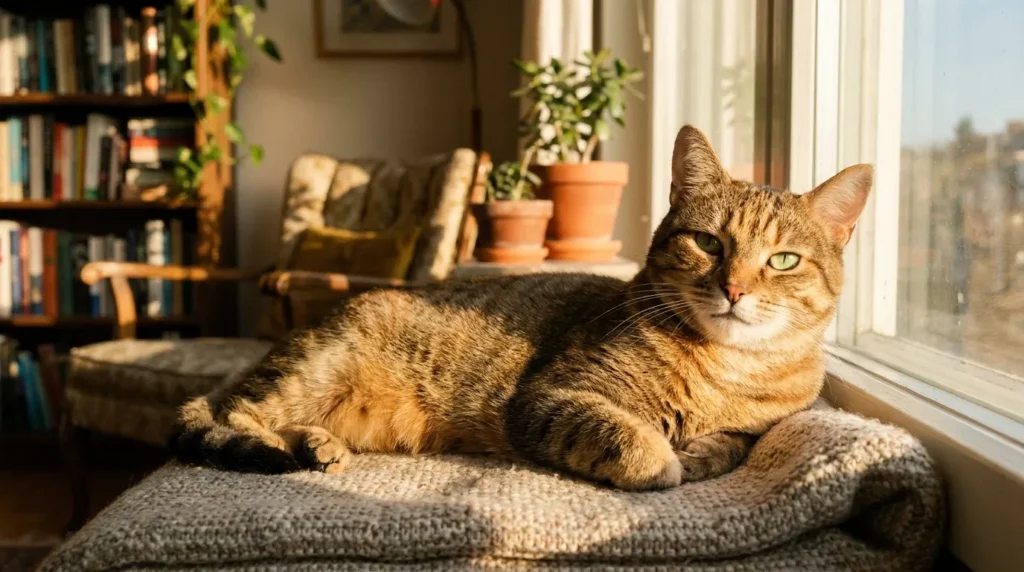
The average indoor cat life expectancy sits between 13 and 20 years, and that number has climbed over the past two decades as pet food quality and veterinary diagnostics have both improved. Creme Puff, a Texas housecat, holds the record at 38 years old, verified by Guinness World Records.
Here’s what that range actually means for your cat. Genetics sets a ceiling, but daily management decides how close she gets to it. Two littermates raised in different homes, one with a stimulating routine and quality food, one without, can end up with a five- or six-year gap in lifespan. That’s not a small margin. It’s the difference between losing her at 11 and still having her at 17.
The Cornell Feline Health Center links feline longevity directly to preventive care and a low-stress living environment. If you haven’t looked at your cat’s full indoor cat health routine recently, that’s the highest-leverage place to start.
Indoor vs Outdoor Cats: Why House Cats Live Two to Three Times Longer

Indoor cats live roughly two to three times longer than outdoor cats, and the gap comes down to risk exposure, not biology. An outdoor cat faces traffic, territorial fights, predators, poisons, and disease from other animals every single day. An indoor cat never encounters most of that.
| Factor | Indoor Cats | Outdoor Cats |
| Average lifespan | 13–20 years | 2–7 years |
| Traffic risk | None | Leading cause of death under age 3 |
| Exposure to FIV/FeLV | Very low | High, from fights and contact |
| Parasite and toxin exposure | Low, controllable | Constant and hard to track |
| Predation risk | None | Present in most regions |
Cats living in apartments or small homes with stable routines and a managed environment often do better long-term than indoor cats stuck in loud, chaotic households. The advantage isn’t just four walls. It’s four walls plus a predictable life.
There’s a catch, though. Indoor living removes physical danger but doesn’t automatically remove boredom. A cat who stares at a blank wall all day dodges traffic but still racks up chronic stress, and stress shortens life just like a bad diet does. The indoor advantage only pays off in full when the inside of the house gets managed as carefully as the outside risks got removed.
Indoor Cat Age in Human Years: The Life Stage Chart
Cat years don’t scale the way people assume. A 1-year-old cat is already close to human 15 in physical maturity, and after that the pace slows down.
| Cat Age | Human Age Equivalent | Life Stage |
| 6 months | 10 years | Kitten |
| 1 year | 15 years | Young adult |
| 2 years | 24 years | Young adult |
| 4 years | 32 years | Mature adult |
| 7 years | 44 years | Senior |
| 10 years | 56 years | Senior |
| 13 years | 68 years | Geriatric |
| 16 years | 80 years | Geriatric |
| 20 years | 96 years | Geriatric |
[Image placeholder: infographic showing cat-to-human age conversion chart, styled to match the existing article images]
After age 2, each additional cat year adds roughly four human years instead of the steep early jump. That’s why a “small” change at age 11, like drinking more water or losing a bit of weight, actually represents a shift equivalent to several human years. It deserves the same attention you’d give a 60-something relative who suddenly changed habits.
Does Breed Affect Indoor Cat Lifespan?
Breed matters less than owners expect, but it isn’t nothing. Mixed-breed cats tend to benefit from genetic diversity that reduces the odds of inherited conditions. Some purebreds carry specific risks worth knowing about before you assume 15 years is guaranteed.
| Breed | Typical Indoor Lifespan | Known Risk Factors |
| Domestic shorthair (mixed) | 14–20 years | Generally low, varies by individual |
| Siamese | 15–20 years | Predisposition to dental disease |
| Maine Coon | 12–15 years | Hypertrophic cardiomyopathy |
| Persian | 12–17 years | Polycystic kidney disease, breathing issues |
| Ragdoll | 13–18 years | Heart disease risk |
| Sphynx | 13–15 years | Cardiomyopathy, skin care needs |
None of this means a Maine Coon can’t reach 18. It means her owner should ask the vet about cardiac screening earlier than the owner of a mixed-breed cat would. Knowing your cat’s specific risk lets you catch problems before they become emergencies.
The 5 Real Factors That Shape Indoor Cat Lifespan
- Spay and neuter status. This is the single highest-impact intervention available. Spayed and neutered cats skip reproductive cancers and the roaming, fighting, and hormonal stress that come with staying intact. Most data puts the gain at one to two extra years on average.
- Nutrition. What you feed your indoor cat shapes her organ health, weight, and immune response for her entire life. A cat on high-quality, protein-focused food carries noticeably less systemic inflammation into her senior years.
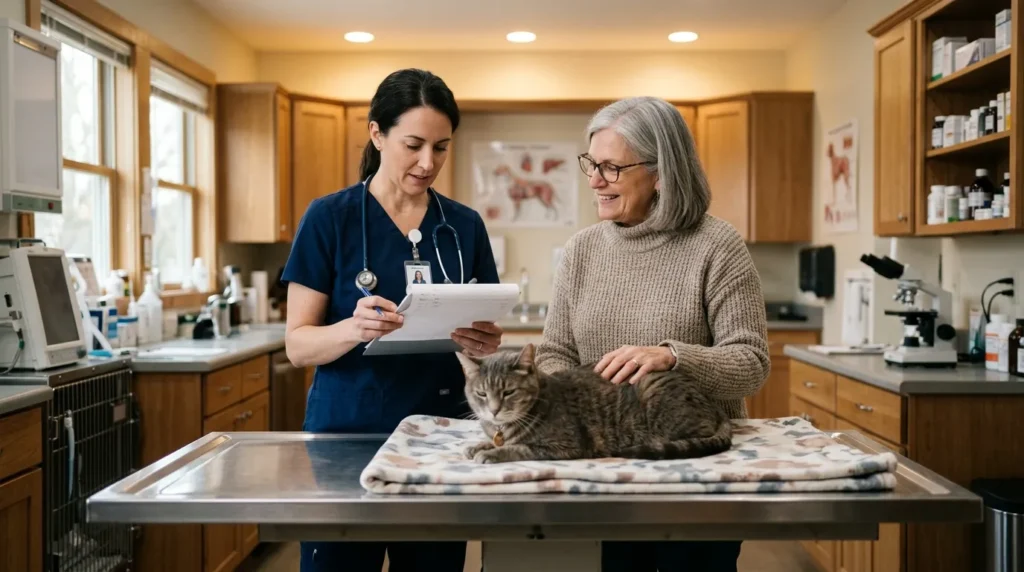
- Regular veterinary care. Annual bloodwork catches kidney and thyroid problems while they’re still treatable, not after they’ve already done damage.
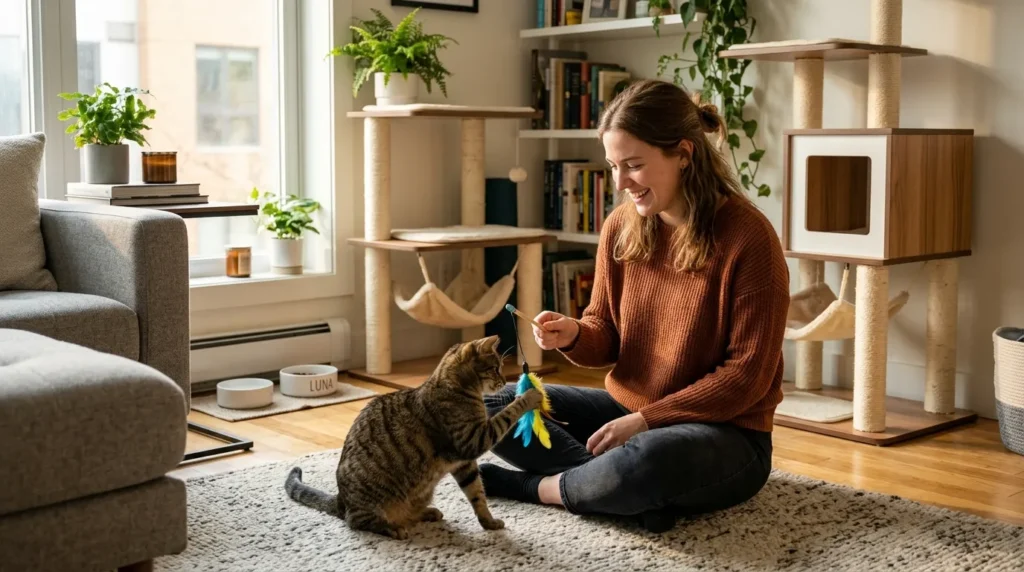
- Environmental enrichment. Mental stimulation keeps stress hormones down and activity levels up, both of which affect long-term organ health.
- Weight management and genetics. Obesity shortens lifespan through diabetes and joint disease. Genetics sets the ceiling, but it won’t rescue a cat from years of poor management.
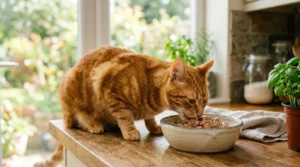
All five work together. Skip one and the others can’t fully cover for it. A cat on perfect food but zero vet visits still misses early disease. A cat with great vet care but no enrichment still carries chronic stress that wears on her body year after year.
Cat Life Stages Every Indoor Owner Should Understand
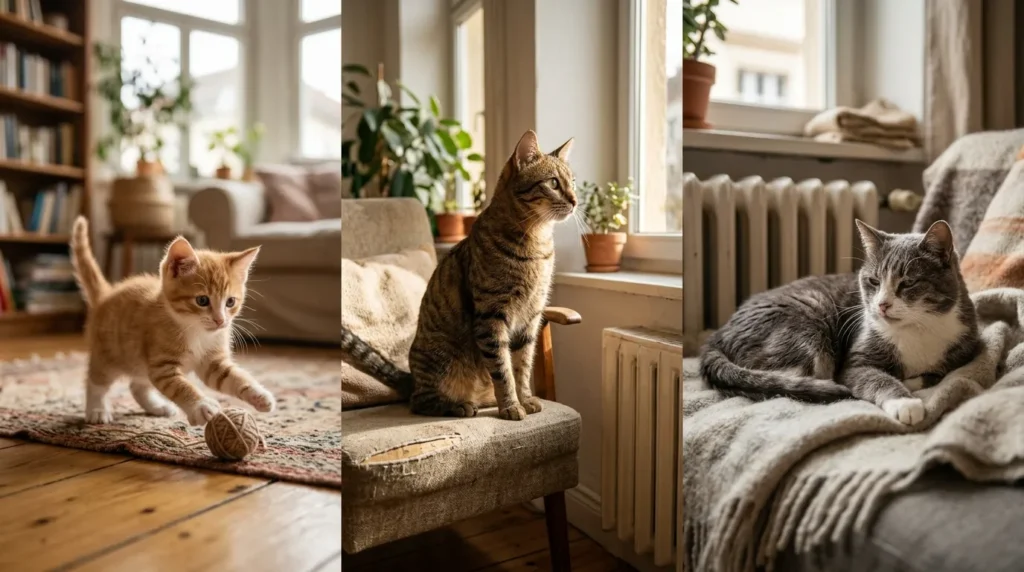
Vets generally use five life stages: kitten (0–6 months), young adult (7 months–2 years), mature adult (3–6 years), senior (7–10 years), and geriatric (11+ years).
The senior and geriatric stages are where owners need to pay closer attention. A 12-year-old cat who seems totally fine to a casual glance may already be developing early kidney disease, hyperthyroidism, or arthritis. These respond well to early treatment and much less well once they’ve progressed.
Watching indoor cat behavior patterns as she moves through the mature and senior stages is your clearest early warning system. Behavior shifts usually show up weeks or months before bloodwork confirms anything.
How to Help Your Indoor Cat Live Past 15 Years: A Checklist
Most cats that reach 15 or older got there through years of quiet, consistent choices, not one big intervention. Here’s the checklist that matters:
- Spay or neuter by 6 months of age if not already done
- Feed a high-protein diet appropriate to her life stage
- Book annual vet checkups starting at age 1, moving to biannual after age 10
- Keep her at a stable, healthy weight; ask your vet what that number is for her frame
- Provide daily interactive play, not just toys left on the floor
- Add vertical space and climbing furniture to keep muscles active
- Brush and check her body weekly during grooming sessions for lumps, weight changes, or skin issues
- Keep feeding and routine times consistent to lower baseline stress
A complete indoor cat care routine built around these habits does more for her long-term odds than any single supplement or product ever will.
Owner’s Take: Every cat I’ve personally known past 17 had one thing in common. Their owners treated wellness visits the way they treat their own checkups. They didn’t skip an appointment just because the cat seemed fine that particular week.
The Mistake That Quietly Shortens Indoor Cat Lives Most
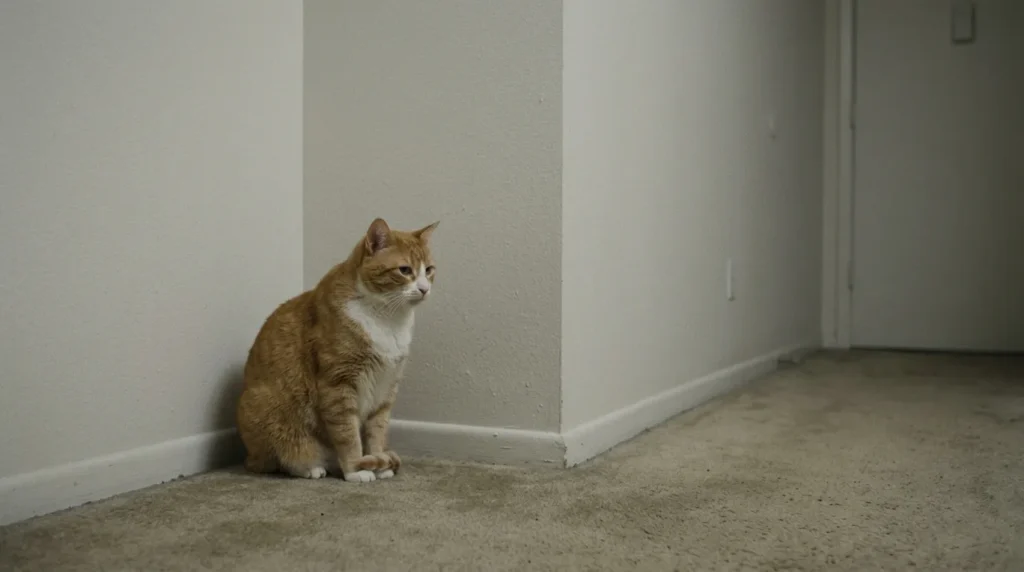
The most common mistake indoor cat owners make is treating a quiet cat as a healthy cat. Cats hide discomfort exceptionally well. By the time something looks visibly wrong, it’s usually been building for months.
Cutting back on environmental enrichment as a cat ages does similar damage. Owners assume a slower senior cat wants less stimulation. She doesn’t. The format changes, not the need. A structured enrichment routine at 12 matters as much as it did at 2, because mental activity directly counters the sedentary weight gain that shortens indoor lives.
Tracking litter box habits consistently is something most owners undervalue until it’s too late. Changes in frequency, volume, or location are some of the earliest and most reliable physical signals that something is shifting.
When Aging in Your Cat Needs Immediate Attention
Sudden weight loss in a cat over 10 is a red flag that needs a vet visit within days, not weeks. So does increased thirst, frequent urination, hiding for extended periods, or a visible drop in self-grooming. These can indicate kidney disease, hyperthyroidism, or diabetes, all common in senior indoor cats and all treatable when caught early.
A cat who was active and suddenly avoids jumping, or climbs stairs more slowly, may be showing early arthritis. Pain management exists, and quality of life improves considerably once arthritis gets treated instead of just accepted as “old age.” Write down the exact change you noticed and when it started. That timeline is what your vet needs to work efficiently.
| Sign | Possible Cause | Urgency |
| Sudden weight loss | Hyperthyroidism, kidney disease, diabetes | Vet visit within days |
| Increased thirst/urination | Diabetes, kidney disease | Vet visit within days |
| Reluctance to jump or climb | Arthritis | Schedule within 1–2 weeks |
| Reduced grooming | Pain, dental disease, obesity | Schedule within 1–2 weeks |
| Hiding more than usual | Pain or illness of any kind | Vet visit within days |
| Bad breath or drooling | Dental disease | Schedule routine dental check |
This article is for informational purposes only. Always consult your vet if you have concerns about your cat’s health.
Frequently Asked Questions About Indoor Cat Lifespan
How long do indoor cats live on average?
Most indoor cats live between 13 and 20 years with good care. Well-managed cats with quality nutrition, regular vet visits, and a stimulating home frequently reach 15 to 17 years. Some make it into their 20s. That’s roughly two to three times longer than the average outdoor cat.
Do indoor cats really live longer than outdoor cats?
Yes, significantly. Indoor cats average 13 to 20 years while outdoor cats typically live just 2 to 7 years. The difference comes from removing daily exposure to traffic, predators, fights, toxins, and infectious diseases like FIV and FeLV that outdoor cats run into routinely.
What shortens an indoor cat’s life the most?
Poor nutrition, obesity, and skipped vet care are the three biggest factors. Chronic stress from an under-stimulating environment is a close fourth. None of these require expensive fixes, but all of them require consistent attention across years, not just an occasional good month.
How do I know if my older indoor cat is aging well?
A healthy aging cat holds a stable weight, keeps grooming herself, stays interested in food, and shows normal litter box habits. Start watching closely around age 8. Catching a change early gives you the most room to act on it.
Can an indoor cat really reach 20 years old?
Yes. Twenty-year-old indoor cats are uncommon but not rare. Reaching 20 usually takes good genetics, high-quality nutrition from kittenhood on, annual then biannual vet checkups, and a low-stress environment with consistent daily enrichment across her whole life.
How do I convert my cat’s age into human years?
A 1-year-old cat is roughly equivalent to a 15-year-old human. A 2-year-old cat is close to 24. After that, each additional cat year adds about four human years, so a 10-year-old cat is roughly 56 in human terms. See the full chart above for exact stage-by-stage numbers.
Does neutering actually extend a cat’s life?
Yes. Most data shows neutered and spayed cats live one to two years longer on average than intact cats, mainly because they avoid reproductive cancers and the injuries that come with roaming and fighting.
This article is for informational purposes only. Always consult your vet if you have concerns about your cat’s health.
Indoor cat lifespan how long do they live averages 13 to 20 years for well-managed house cats, compared to 2 to 7 years for outdoor cats. The biggest factors are spay or neuter status, diet quality, annual veterinary care, environmental enrichment, and low chronic stress. Breed carries some risk, with Maine Coons and Persians facing specific conditions worth screening for early. Senior indoor cats over age 7 benefit from biannual vet checkups and routine bloodwork. Cats receiving consistent enrichment, high-protein nutrition, and preventive care regularly reach 15 to 17 years. The oldest verified domestic cat lived 38 years.

Written by Mishu
A passionate cat lover and indoor living enthusiast, Mishu is the founder and voice behind Indoor Living Cat – a go-to resource for cat owners who want to create the happiest, healthiest life for their feline companions indoors.
View Full Profile