
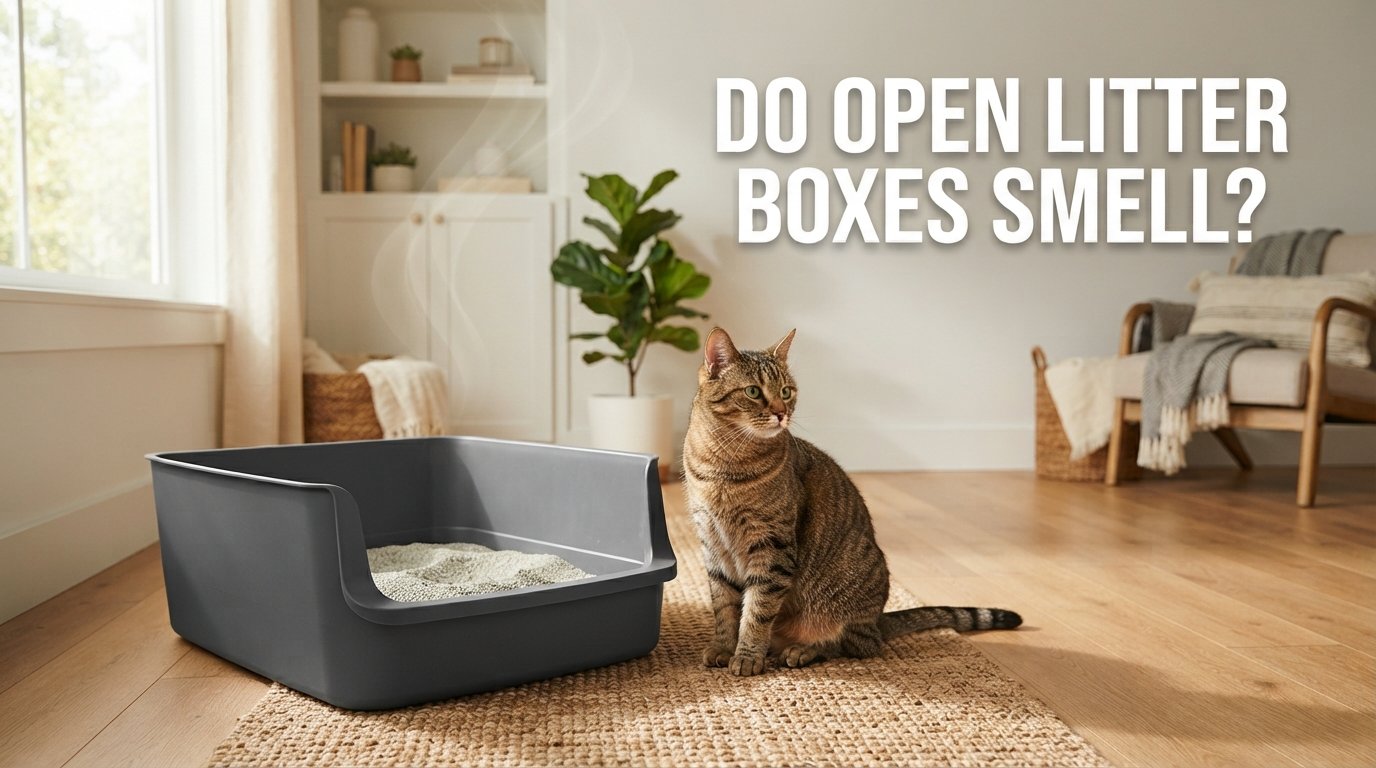
Yes, an open litter box can smell. But the missing lid isn’t what decides it. A pan scooped twice a day with 2 to 3 inches of decent clumping litter usually smells better than a hooded box that gets cleaned when somebody remembers. Odor comes from waste sitting around.
A lot of owners buy a hood to hide the smell and end up with a box that hits you in the face every time the door lifts. Some cats also refuse the dark, cramped space and go on the carpet instead, which is a much worse smell than anything a litter box makes. So the real question is how fast waste leaves the box, how much ventilation you have, and whether your cat will use it.
Below you’ll find why boxes smell, how open, covered, top-entry and automatic designs compare, a cleaning routine you can copy, and six products we’d look at first.
This guide is part of our open litter box series, which sits inside our complete indoor cat litter box guide.
Some links in this guide are Amazon affiliate links. If you buy through them we may earn a commission at no extra cost to you. Scores are our editorial judgment based on listing specs and patterns in buyer feedback. We haven’t run lab odor tests, and we say so where it matters.
Do Open Litter Boxes Smell?
They smell when waste is allowed to sit, and they smell more in a closed room with no airflow. A well-kept open box usually smells less than a covered one because nothing builds up inside a hood. Here are the points that matter most:
- →Scoop daily at minimum. Twice a day if you have more than one cat. This beats any gadget.
- →A lid holds odor, it doesn’t remove it. You get the whole concentrated release when the lid comes up.
- →Litter depth matters. About 2 to 3 inches lets clumps form instead of urine pooling on the pan floor.
- →Material matters. Scratched plastic soaks up urine. Stainless steel doesn’t.
- →Automatic open-top boxes shrink the exposure window by moving waste into a sealed drawer after each visit, per their listings.
- →A sudden change in smell can be a health signal. More on that near the end.
Why Litter Boxes Smell in the First Place?
Cat urine contains urea. Bacteria in damp litter break urea down into ammonia, and that sharp, eye-watering note is what most people mean by “litter box smell.” Feces add sulfur compounds on top. Moisture speeds up all of it, which is why a soaked pan stinks faster than a dry one.
Three things control how bad it gets: how long waste sits, how much urine the litter or box has soaked up, and how much air moves past it. A lid changes only the third, and not always in your favor.
| Odor source | What causes it | What fixes it |
|---|---|---|
| Fresh urine and feces | Waste sitting exposed in the litter bed | Scoop daily or twice daily; automatic raking or sifting |
| Ammonia buildup | Bacteria breaking down urea in damp litter | Enough litter depth, a full change on schedule, ventilation |
| Box itself | Urine soaked into scratched or porous plastic | Wash with mild soap, replace scratched plastic, or use stainless steel |
| Trapped air in a hood | Humid air with no exchange | Open top, or a hood with real ventilation |
| Accidents outside the box | Cat avoiding a box it dislikes | Fix the box problem first, then use an enzymatic cleaner on the spot |
Open vs Covered vs Top-Entry vs Automatic: Which Smells Least?
No design wins on every count. This table shows what each type does to odor and where it tends to fail.
| Type | Odor in the room | Odor when you open or scoop | Cat acceptance | Main weakness |
|---|---|---|---|---|
| Open pan | Fresh waste smell drifts out until scooped | Low. Nothing is concentrated | Usually high | Litter scatter; zero containment of smell |
| Open-top automatic | Lower, since waste moves to a sealed drawer | Low at the box, but the drawer smells when emptied | Varies by cat; check the noise and the motion | Price, parts, and cleaning the rake system |
| Covered hood | Held back at first | High. Concentrated release when the lid lifts | Some cats refuse it | Humid, stale air inside; filters wear out |
| Top-entry | Held back, and litter scatter is low | Moderate to high, since it’s fully enclosed | Mixed. Seniors, kittens and cats with sore joints may struggle with the jump in | Access, and a cat that associates the box with being trapped |
| Stainless steel pan | Same as any pan, but the tray doesn’t soak up urine | Low | Usually high | Weight and price; litter can still stick to corners |
Top-entry boxes get their own guide. For now, the short version: they cut scatter very well, but they’re enclosed, so they share the covered-box odor tradeoff.
Products in this guide
These are the Amazon listings we anchor to in this guide. Each card pairs a thumbnail with a one-line description from the listing and our score. Check the link for current price, compatibility and the latest verified reviews before you buy.
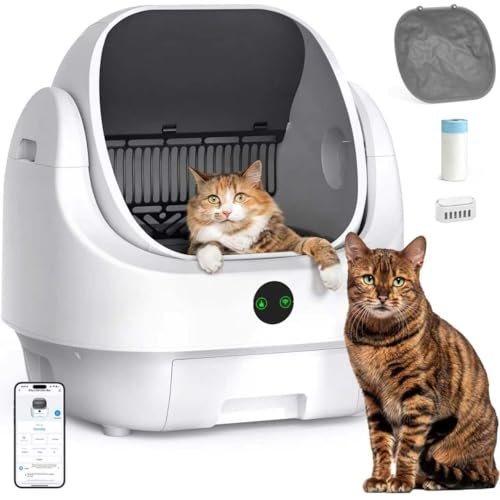 Open-Top Automatic Litter Box, Odor Control, Ready to Use, Self Cleaning
Sealed waste bin and dual-defense system lock odors away effectively.
8.4/10
|
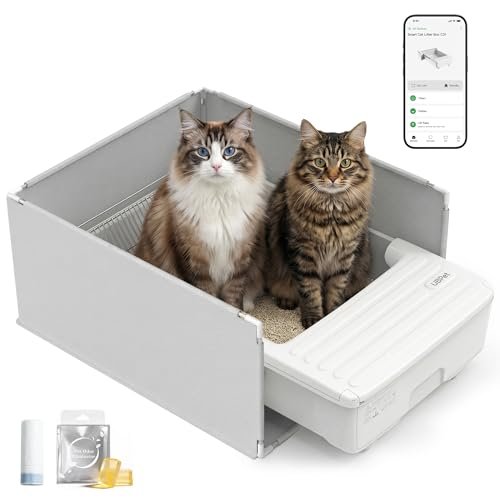 UBPET Self Cleaning Cat Litter Box, Open Top Automatic Litter Box with APP Monitoring
Continuous deodorizer gel and efficient sifting keep air fresh daily.
7.9/10
|
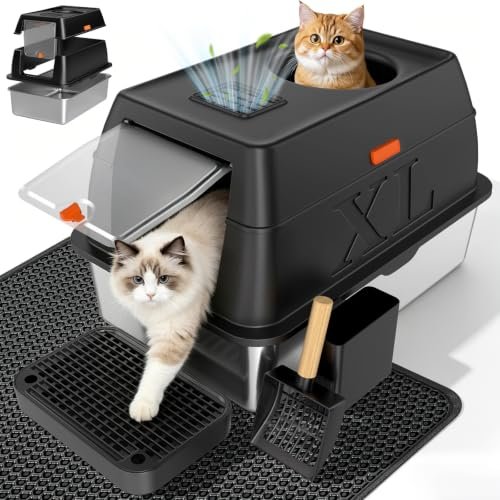 Tevila XL Enclosed Stainless Steel Litter Box with Lid, Black
Versatile modular design includes carbon filters for adjustable odor control.
7.2/10
|
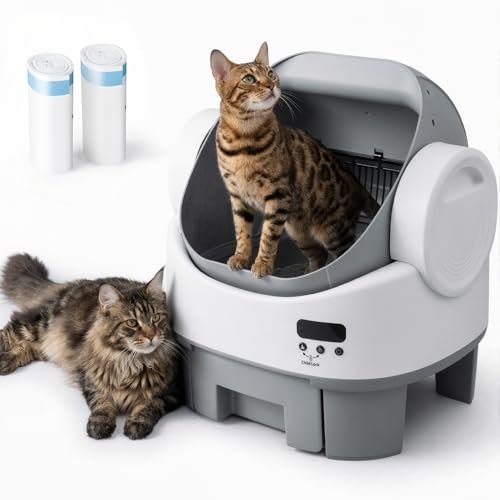 WARCAT Automatic Litter Box, Open Top, Child Lock, Gray & White
Large sealed drawer locks in ten days of waste for reliable freshness.
8.1/10
|
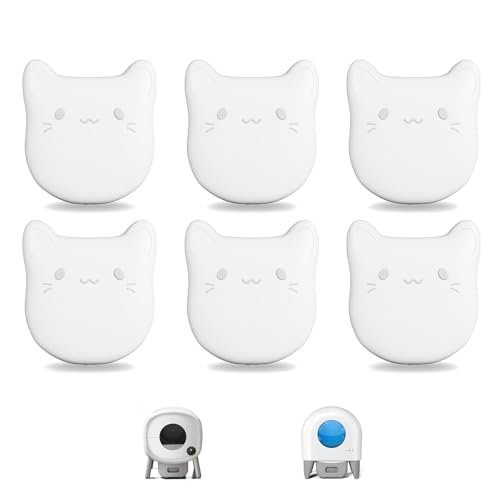 6 PCS Litter Box Deodorizer Compatible with Cumrige Self Cleaning Litter Box
Aftermarket deodorizer packs boost ammonia removal for automatic units.
6.8/10
|
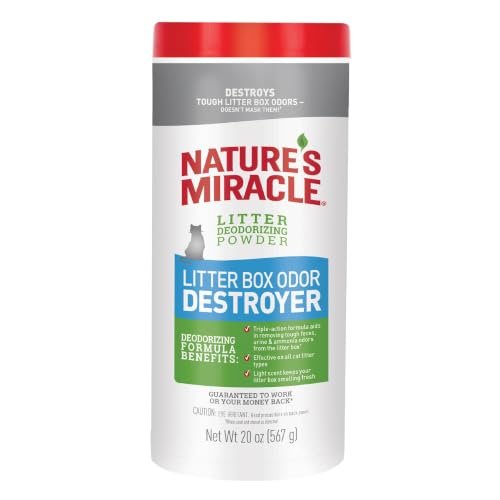 Nature’s Miracle Cat Litter Box Odor Deodorizer Powder, 20 oz
Powder formula works with any box to neutralize tough urine smells.
7.5/10
|
How we judged each pick
We read each listing for specs and stated claims, then looked at the patterns buyers report back. We didn’t run lab tests, and a listing claim is not a measured result. Where a number comes from the seller, we say so.
|
This is the strongest answer to the open-box smell problem in the group. The listing describes a sealed waste compartment that holds up to ten days of waste, plus a dual-defense setup that pairs leak-proof ABS construction with a built-in deodorizer gel. Open pans usually smell because waste stays in the litter bed until you scoop. Here it leaves the bed after each cycle, so there’s less to smell. One gap: the listing doesn’t say how long the unit waits before it starts a cycle, so check that and recent reviews before you buy. Best for owners who want an open box with a closed waste bin. |
|
The listing leans on a built-in deodorizer with replaceable scent gel and a dual-rake system for clump removal. The rakes matter, because clumps left in the bed keep producing ammonia. The tradeoff is upkeep. Gel dries out, and when it does you lose that layer of control, so set a reminder to check it. The unit is large, which suits a multi-cat home but takes floor space. If you dislike added fragrance, confirm what the gel smells like before buying. |
|
Odor control here depends on how you set it up. The listing includes a carbon filter pack for fully enclosed use, and the box can also run as an open pan. Take the lid off and the filter stops doing much, so don’t count on it. The stainless steel tray is non-porous, so it doesn’t soak up urine the way scratched plastic can. Buy it if you’ll run it enclosed, or if you want a pan you can scrub clean. Skip it if you want an open pan with odor handling built in. |
|
The headline feature is a 10-liter sealed waste drawer. The listing says it locks in up to ten days of waste. The top stays open for the cat, and waste goes into the drawer after each use. The listing also mentions a child lock and compatibility with clumping litter under 15 mm granule size. A good fit for busy households. Check recent reviews for how well the drawer seal holds up, because that’s the feature the whole odor pitch rests on. |
|
These are deodorizer packs made for Cumrige self-cleaning boxes, so confirm your model before you order. The listing claims 95% ammonia degradation. That’s the seller’s number and we haven’t verified it. The listing also describes a camellia scent and a 30-day replacement cycle. Treat them as an add-on. They won’t make up for skipped drawer emptying or a dirty rake. |
|
This powder works with any box. You mix it into the litter, and the listing says it helps with urine and feces odor. It earns its place in open pans, where waste is exposed to the air. The tradeoff is added scent, and some cats dislike it. If your cat starts avoiding the box after you add it, stop. As a cheap first thing to try, it’s hard to argue with. |
What Open-Box Buyers Get Wrong
Buyers assume a cover stops smells from reaching the room. It doesn’t. Odor gets trapped and concentrates inside the hood, which is also where your cat has to breathe it. High walls without ventilation can make things worse for sensitive feline noses.
A better test is how quickly waste gets removed. Automatic raking or frequent hand scooping stops odor at the source. Litter choice often matters more than the shape of the container.
The Selection Logic
This is the four-step filter we used to sort the six listings. It’s a decision framework built on specs and buyer feedback, so treat it as a way to narrow your own shortlist.
|
01
Identify the Real Need
Start by deciding what bothers you: ammonia, litter scatter, or the daily chore. Multi-cat homes and sensitive noses need faster waste removal and a box material that doesn’t absorb urine.
|
02
Match the Product Type
Pick between a plain pan, a high-sided open tray, an open-top automatic, or an enclosed box. Your cat’s mobility and your floor space usually settle it.
|
|
03
Check the Tradeoff
Access and containment pull in opposite directions. Very high sides trap smell. Very low sides spill litter. Aim for sides tall enough to block scatter and open enough that air moves.
|
04
Choose by Real Use
Picture the daily scoop. Smooth, non-stick surfaces make it fast, and any residue in a corner will make the whole box smell no matter what design you picked.
|
Evaluate Waste Removal Speed Versus Containment
Waste smells because bacteria turn urea into ammonia, and that process speeds up the longer waste sits exposed. Owners tend to focus on the lid and ignore how long a clump stays in the bed.
The Open-Top Automatic Litter Box moves waste into a sealed bin after the cat leaves. The Tevila XL holds waste in the main tray until you scoop it. The difference in smell between those two routines is large, and it shows up fastest in multi-cat homes.
Look for mechanisms that isolate waste quickly, not for boxes that only hide it. Speed beats a plastic hood.
|
Open-Top Automatic Litter Box, Odor Control, Ready to Use, Self Cleaning
Sealed waste bin and dual-defense system lock odors away effectively.
|
8.4/10 Check Price Amazon |
|
Tevila XL Enclosed Stainless Steel Litter Box with Lid, Black
Versatile modular design includes carbon filters for adjustable odor control.
|
7.2/10 Check Price Amazon |
How Products Differ Here
- →Open-Top Automatic Litter Box: Seals waste into a compartment automatically after use.
- →Tevila XL Enclosed Stainless Steel Litter Box: Holds waste in the main tray until you scoop it out by hand.
The Open-Top Automatic Litter Box lists a sealed 9L bin for waste storage. The Tevila XL relies on high walls and carbon filters, and still needs you to scoop solids by hand.
Assess Ventilation Design Against Odor Trapping
Enclosed boxes trap humid air, and that makes the smell hit harder each time the lid opens. Damp, stagnant air also helps bacteria thrive. An open design lets air exchange dilute odor naturally.
The WARCAT Automatic Litter Box has an open top, so stale air has nowhere to collect above the litter bed. A fully enclosed unit may hold smell at first and then release it in one blast.
If your goal is lower overall room odor, choose a design that moves air. Skip sealed plastic domes with no ventilation.
|
WARCAT Automatic Litter Box, Open Top, Child Lock, Gray & White
Large sealed drawer locks in ten days of waste for reliable freshness.
|
8.1/10 Check Price Amazon |
|
Tevila XL Enclosed Stainless Steel Litter Box with Lid, Black
Versatile modular design includes carbon filters for adjustable odor control.
|
7.2/10 Check Price Amazon |
How Products Differ Here
- →WARCAT Automatic Litter Box: The open-top layout leaves no enclosed space for stale air.
- →Tevila XL Enclosed Stainless Steel Litter Box: A lid plus carbon filter keeps smells in a closed volume.
The WARCAT avoids the concentrated ammonia release common in covered boxes by staying open. The Tevila XL uses a carbon filter pack to manage odor inside its enclosure.
Compare Active Deodorizing Systems and Materials
Passive containment doesn’t neutralize anything. Some boxes use gels or powders to break down odor molecules before they spread. Material matters too, because plastic that has been scratched can hold urine odor for good.
Stainless steel, like the Tevila XL tray, is non-porous and doesn’t soak up urine. Automatic units like the Open-Top Automatic Litter Box add a deodorizer gel inside the waste drawer.
Look for non-porous surfaces plus an active odor control layer. Don’t rely on plastic alone.
|
Tevila XL Enclosed Stainless Steel Litter Box with Lid, Black
Versatile modular design includes carbon filters for adjustable odor control.
|
7.2/10 Check Price Amazon |
|
Open-Top Automatic Litter Box, Odor Control, Ready to Use, Self Cleaning
Sealed waste bin and dual-defense system lock odors away effectively.
|
8.4/10 Check Price Amazon |
How Products Differ Here
- →Tevila XL Enclosed Stainless Steel Litter Box: The stainless steel tray doesn’t absorb urine odors.
- →Open-Top Automatic Litter Box: A built-in deodorizer gel sits inside the sealed waste compartment.
The Tevila XL has a non-porous metal surface that resists absorbing urine. The Open-Top Automatic Litter Box pairs leak-proof ABS construction with a dual-defense system that includes deodorizer gel.
Determine Compatibility With Supplemental Odor Controls
Some automatic boxes need specific litter or proprietary deodorizer packs. Others let you use whatever you like. Tight compatibility limits how much you can tune your odor control.
The UBPET Self Cleaning Cat Litter Box uses replaceable scent gels. The WARCAT lists compatibility with clumping litters under 15 mm granule size. Check the manual of any automatic box before you buy litter in bulk.
Choose a system that supports your preferred odor routine without voiding the warranty, and think twice about locked ecosystems that force expensive refills.
|
UBPET Self Cleaning Cat Litter Box, Open Top Automatic Litter Box with APP Monitoring
Continuous deodorizer gel and efficient sifting keep air fresh daily.
|
7.9/10 Check Price Amazon |
|
WARCAT Automatic Litter Box, Open Top, Child Lock, Gray & White
Large sealed drawer locks in ten days of waste for reliable freshness.
|
8.1/10 Check Price Amazon |
How Products Differ Here
- →UBPET Self Cleaning Cat Litter Box: Uses replaceable scent gels for freshness.
- →WARCAT Automatic Litter Box: Lists clumping litter compatibility under 15 mm granule size.
The UBPET pairs a built-in deodorizer with its litter handling. The WARCAT lists clumping litter compatibility within a stated granule size, which gives you room to pick your own brand.
How to Stop an Open Litter Box From Smelling?
This routine works for a plain pan, and it makes an automatic box work better too. None of it takes long.
Our best litter scoop picks make the daily job faster, and our best litter box liners picks make the full change cleaner.
- Scoop every day. Twice if you have two or more cats. This single habit does more than any product on this page.
- Keep litter about 2 to 3 inches deep. Too shallow and urine reaches the pan floor, where it soaks in and starts to smell.
- Do a full change on a schedule. Every two to four weeks for one cat is a common starting point. Do it sooner with more cats or finer litter.
- Wash the box, not just the litter. Hot water and mild unscented dish soap. Skip ammonia-based cleaners, since ammonia smells like urine to a cat and can invite marking.
- Replace scratched plastic. Scratches hold urine. If the pan still smells after a wash, the plastic is the problem.
- Move the box to a spot with airflow. More on placement below.
- Add an odor aid last. Powder, filter or gel works as a supplement, not a fix.
| How often | Task |
|---|---|
| Daily (twice with multiple cats) | Scoop clumps and feces; top up litter to 2 to 3 inches |
| Weekly | Wipe the rim and walls; check gel or filter; empty the drawer if it’s an automatic box and it’s getting full |
| Every 2 to 4 weeks | Dump all litter, wash the box with mild soap, dry it fully, refill |
| As needed | Replace scratched plastic, deodorizer packs and carbon filters per the maker’s schedule. |
Litter Type and Depth: The Part Most People Skip
Litter does more for odor than the box shape. Clumping litter lets you pull urine out of the bed in one scoop. Non-clumping litter leaves it behind, which is why those boxes smell sooner. Here’s how common types compare:
| Litter type | Odor handling | Tradeoff |
|---|---|---|
| Clumping clay | Forms solid clumps you can remove completely | Dusty, heavy, tracks onto floors |
| Silica crystals | Absorbs and dries urine; low moisture | Costs more; some cats dislike the texture |
| Plant-based (tofu, corn, wheat) | Clumps and is lighter to carry | Can track; some cats stay interested in the food-like smell |
| Pine pellets | Natural scent, absorbs well | Doesn’t clump; pellets turn to sawdust when wet |
Go unscented unless you have a reason not to. Heavy fragrance can put a cat off the box, and covering ammonia with perfume just makes the room smell like both. For automatic boxes, check the manual for approved litter types. The WARCAT listing, for example, names clumping litter under 15 mm granule size.
Deodorizers That Help (and the Ones That Don’t)
Think of a deodorizer as a second line of defense. If waste is still sitting in the box, no powder will save you.
For boxes built with odor in mind, see our best open litter box for odor control.
|
Nature’s Miracle Cat Litter Box Odor Deodorizer Powder, 20 oz
Powder formula works with any box to neutralize tough urine smells.
|
7.5/10 Check Price Amazon |
|
6 PCS Litter Box Deodorizer Compatible with Cumrige Self Cleaning Litter Box
Aftermarket deodorizer packs boost ammonia removal for automatic units.
|
6.8/10 Check Price Amazon |
- →Baking soda: Cheap and unscented. It helps a little with mild odor, and cats rarely object. Mix a thin layer into the litter.
- →Odor-neutralizing powders: Nature’s Miracle is the example in this guide. Useful in an open pan, where waste sits exposed to the air. If you like the brand, see our Nature’s Miracle open litter box review.
- →Deodorizer packs and gels: Only for units made for them. The Cumrige-compatible packs fit that brand’s drawer, and the UBPET uses replaceable gel. Check the replacement schedule.
- →Carbon filters: They work in an enclosed box with a lid. Take the lid off and they do very little.
- →Air fresheners and sprays near the box: Skip them. They mask the smell for you and can irritate a cat.
Where to Put an Open Litter Box So It Doesn’t Stink Up the Room
- →Pick a spot with airflow. A bathroom with the door propped open, a laundry room, or a corner of a hallway. Avoid closets and cabinets with no air exchange.
- →Keep it away from food and water. Cats dislike eating near the box, and the smell reaches the bowl.
- →Stay clear of HVAC return vents. They pull the smell through the house.
- →Choose a quiet but not hidden place. A cat that feels cornered may avoid the box. An open design helps here, since the cat can see what’s coming.
- →Use one box per cat, plus one extra. That’s the standard guidance from feline behavior groups, and it spreads the load so no single box gets overwhelmed.
- →Small apartment? Choose a high-sided open tray or an open-top automatic with a sealed drawer, and put it where air moves.
When the Smell Means Something Is Wrong?
A box that smells the same as last week is a housekeeping issue. A box that suddenly smells much stronger isn’t always one.
- →Urine smells sharply stronger than usual, even right after a clean.
- →Clumps are unusually large or numerous, or your cat is visiting the box far more often.
- →Your cat strains, cries, or goes outside the box.
- →Blood, or a very different odor in stool.
Any of these is worth a call. Changes in urine smell or volume can point to a urinary or kidney problem, and urinary blockages in male cats are an emergency. This guide can’t diagnose anything, so don’t wait on a better litter box to fix it.
What Buyers Often Misread
Product pages often suggest covered boxes eliminate odor. A lid just delays the release. The waste is still there, still breaking down, and it will still smell when you open the box.
Read these claims as temporary containment. Real odor control means removing the source or neutralizing the gas.
| Covered boxes stop all smells from reaching the room.
They trap smells inside, and that smell releases strongly when you open the lid.
|
| Automatic boxes remove the need for odor control products.
Most still benefit from deodorizer gels or good litter.
|
| Stainless steel boxes never smell, no matter how often you clean.
They resist absorption, but waste still has to come out regularly.
|
| Open boxes always smell worse than enclosed ones.
They often smell less, since air moves through and moisture evaporates faster.
|
| Scented litter fixes the smell.
Perfume layered over ammonia gives you both. Some cats reject scented litter.
|
How to Make the Final Choice
If odor is your top priority, pick the setup that removes waste fastest. After that, weigh automation against material durability, and match the box to how your cat feels about enclosed spaces.
Want to compare more styles? Browse all of our open litter boxes, or start with our best indoor cat litter boxes guide.
Frequently Asked Questions
Do open litter boxes really smell worse than covered ones?
Not usually. Open boxes let odor spread out, while covered boxes trap it and release it all at once when you open the lid. A dirty open box will still smell worse than a clean covered one, so scooping frequency decides more than the design. For the full tradeoffs, see our open litter box pros and cons.
Do open litter boxes smell up the whole house?
Only if waste is left sitting or the box is in a closed, unventilated room. A box scooped daily and placed where air moves rarely carries past the room it’s in.
How often should I scoop an open litter box?
Once a day is the minimum. With two or more cats, scoop twice a day. If you can only do it once, choose an automatic box that removes waste after each visit.
How often should I clean an automatic litter box?
Empty the waste drawer every 7 to 10 days for one cat, per the listings in this guide, and sooner with more cats. Wipe sensors and rakes at least weekly, and follow the maker’s manual for deeper cleaning.
Can I use scented deodorizers with automatic boxes?
Often yes, but only products made for that model. Check the manual first, since powders and wrong-size packs can foul sensors or jam parts.
Is stainless steel better than plastic for odor control?
It does one thing better: it doesn’t absorb urine, while scratched plastic can. It still needs regular cleaning, and it won’t help if waste sits in it all day.
Does baking soda help litter box odor?
A little. It’s cheap and unscented, so it’s a fine supplement. It won’t beat frequent scooping or a full litter change on schedule.
Why does my litter box smell even after I scoop?
Usually one of three things: the litter is too shallow, the plastic is scratched and holding urine, or the litter is overdue for a full change and wash. If the smell is new and strong, rule out a health cause with your vet.
Where is the best place to put an open litter box?
A quiet area with airflow, away from food, water and HVAC vents. A bathroom with the door open or a laundry room works for most homes.
Will my cat switch from a covered box to an open one easily?
Many cats do, since they can see their surroundings. Place the open box next to the old one for a week or so, then remove the covered one. If your cat stops using both, go back a step.
Are top-entry litter boxes better for odor?
They cut litter scatter, but they’re enclosed, so they share the covered-box tradeoff of trapped odor. They also don’t suit every cat, especially seniors and kittens.

Written by Mishu
A passionate cat lover and indoor living enthusiast, Mishu is the founder and voice behind Indoor Living Cat – a go-to resource for cat owners who want to create the happiest, healthiest life for their feline companions indoors.
View Full Profile