

When deciding between a traditional covered litter box and an automated self-cleaning system, you are essentially choosing between hands-on simplicity and modern convenience. The hooded box relies on an enclosed design and carbon filters to manage privacy and smells, while the self-cleaning model uses sensors and motorized waste separation to remove the chore of daily scooping. This comparison breaks down which approach best fits your lifestyle, space, and maintenance preferences.
List of Covered Vs Self Cleaning Litter Box
⚡ Quick Verdict
If your goal is to reclaim the time you spend scooping, the Automatic Litter Box is the clear winner. It uses smart sensors to handle waste disposal while you’re away, keeping things fresh with minimal effort. However, if you prefer a low-tech, reliable solution that doesn’t rely on power outlets or Wi-Fi, the Amazon Basics hooded box is a dependable choice that still offers your cat plenty of privacy.
Analysis: Amazon Basics Hooded Litter Box
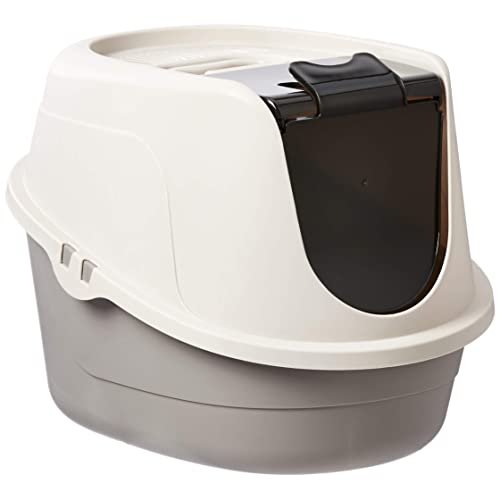
The Amazon Basics hooded litter box is built for those who prefer a straightforward approach to pet care. It excels in multi-cat households where privacy is a priority and owners are comfortable with a routine of manual scooping and periodic filter swaps. It’s a reliable, no-nonsense solution for anyone who finds automated systems too complex or unnecessary.
This box uses a simple hooded structure and a swinging plastic door to keep litter inside the unit rather than on your floor. It features a built-in carbon filter designed to dampen odors, and the durable plastic construction is specifically treated to resist lingering smells and stains, making it simple to wipe down during deep cleans.
Because there is no motor or app involved, you are responsible for the daily cleanup. You will need to maintain a consistent scooping schedule to keep the environment fresh. On the bright side, the swinging door design is generally very accessible for cats, and you never have to worry about electronic failures or software updates.
Build Quality & Design
The unit is made from durable plastic that resists odors and stains, which helps keep it looking clean. Its enclosed design with a swinging door does a great job of containing litter scatter. With a footprint of 21″ x 16″ x 15″, it offers a spacious interior that most cats will find comfortable.
Performance & Speed
Efficiency here is entirely manual. The swinging door keeps the litter inside and the carbon filter helps manage smells, but your actual ‘freshness’ levels are directly tied to how often you scoop. It’s a tried-and-true system that works as well as the effort you put into it.
Features & Functionality
It keeps things simple: an enclosed space, a swinging door, and a replaceable carbon filter. There are no sensors, apps, or moving parts to worry about, making this an ideal choice if you prefer a ‘set it and forget it’ physical setup.
User Experience
The experience is consistent and low-friction. You just place it in a stable spot and maintain your daily scooping routine. Because there is no technology involved, there is no learning curve for you or your cat.
Value for Money
This is a budget-friendly option that avoids the cost of motors and electronics. Beyond the initial purchase, your only recurring costs are litter and the occasional carbon filter replacement, making it a very predictable expense.
✅ Advantages
✓The enclosed design does a great job of keeping litter scatter localized.
✓The pre-installed carbon filter provides a basic, effective way to manage odors.
✓Durable, stain-resistant plastic makes the occasional deep clean much easier.
✓The simple swinging door makes it easy for cats to enter and exit without any intimidating sounds or movements.
❌ Disadvantages
✗You are tied to a daily manual scooping routine.
✗Odor control is only as good as your scooping consistency and filter maintenance.
✗It lacks the safety sensors found in automated units, though there are no moving parts to worry about.
Analysis: Automatic 90L Self-Cleaning Box
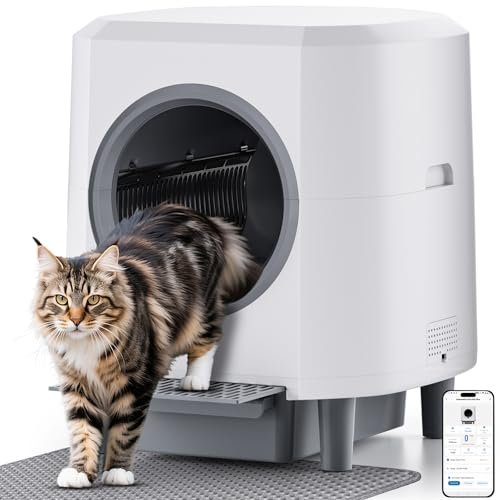
This self-cleaning litter box is designed for the modern, busy pet parent who wants to automate the less pleasant parts of cat ownership. It’s a great fit if you don’t mind a little tech setup and want the peace of mind that comes with safety sensors and app-based monitoring.
The system automates the cleanup process by detecting when your cat has left and running a cleaning cycle about two minutes later. Waste is whisked away into a 9L bin, while the unit’s ABS material and odor-proof cover work to lock in smells. It’s built to handle extended use, meaning you won’t have to interact with it nearly as often.
Safety is a major highlight, with infrared and weight sensors that pause the cleaning process if your cat gets too close. You also get 2.4GHz Wi-Fi connectivity, allowing you to track your cat’s bathroom habits directly through an app. It’s a sophisticated system designed to give you more time back in your day.
Build Quality & Design
The use of ABS material helps prevent urine leaks, which is a big plus for long-term hygiene. The odor-proof cover and scented gel system provide a double layer of defense against smells. While it is more complex than a standard box, the design is clearly focused on making the waste-handling process as clean as possible.
Performance & Speed
Automation is the star here. By cycling shortly after your cat departs, it keeps the litter bed clean and fresh. The integrated sensors ensure that the cycle is safe for your pet, and the automated disposal keeps the mess contained in a sealed bin.
Features & Functionality
This is a feature-rich device. Beyond the self-cleaning cycle, you get app-based habit tracking, safety sensors, and a specialized odor-control system. It’s a complete system meant to replace the manual labor of scooping entirely.
User Experience
Once you get through the initial setup and Wi-Fi pairing, the daily experience is hands-off. You mainly just need to check the app for notifications and empty the waste bin when prompted. It’s a massive lifestyle upgrade for those who dislike the daily scooping grind.
Value for Money
While the upfront cost is higher, the value is found in the time you save. If you value your time and want a cleaner-smelling home with less effort, the convenience of this unit easily justifies the investment.
✅ Advantages
✓Automated cleaning cycles mean you can finally stop scooping every single day.
✓Safety sensors provide peace of mind by pausing the unit if a cat is nearby.
✓The multi-layered odor system keeps your home smelling fresh despite the presence of waste.
✓App connectivity lets you keep an eye on your cat’s bathroom habits, which is a great tool for monitoring their health.
❌ Disadvantages
✗The added technology introduces a bit more complexity in terms of maintenance and troubleshooting.
✗You will need a reliable 2.4GHz Wi-Fi connection to get the most out of the smart features.
✗Even with automation, you still need to manage the waste bin and ensure the litter stays topped off.
Major Factors to Consider
Choosing between these two comes down to how much you value automation versus simplicity. A covered box is a physical, manual tool, while the self-cleaning model is an electronic appliance that requires a bit more care and setup.
🎯
Performance
The hooded box relies on your manual effort for odor control, whereas the automated box uses mechanical separation and sealed bins to manage waste before it becomes a problem.
⚡
Speed & Efficiency
The self-cleaning unit is significantly faster at handling waste, cycling just minutes after use, while the hooded box is only as fast as your own scooping schedule.
💰
Price & Value
The hooded box is an affordable, low-maintenance purchase. The self-cleaning box is a premium investment that pays for itself in time saved and convenience.
🔧
Build Quality
The hooded box is built for durability and simplicity. The self-cleaning box is built for performance and safety, housing motors and sensors that require careful handling.
🎨
Design & Aesthetics
A hooded design can look clean and blends into laundry rooms, hallways, and corners. The self-cleaning unit usually looks more technical, with a domed cover and a larger overall footprint. Design preference matters for placement, since a self-cleaning box may require near-electrical access and space for the bin.
🔋
Durability
The hooded box will last as long as the plastic holds up. The self-cleaning unit has more moving parts, meaning you should keep an eye on sensor accuracy over time.
Feature Comparison
This breakdown highlights the key differences in how these two units handle the day-to-day reality of litter box maintenance. Use this as a guide to see which setup aligns with your household needs.
| Feature | Amazon Basics Hooded Litter Box | Automatic 90L Self-Cleaning Box |
|---|---|---|
| Hooded enclosed design | ✓ | ✓ |
| Swinging entry door | ✓ | ✗ |
| Carbon filter odor control | ✓ | ✗ |
| Odor-proof cover | ✗ | ✓ |
| Self-cleaning cycle after cat exits | ✗ | ✓ |
| No scooping | ✗ | ✓ |
| Trash/bin waste deposit | ✗ | ✓ |
| Infrared sensor safety pause | ✗ | ✓ |
| Weight sensor safety pause | ✗ | ✓ |
| App control with 2.4GHz Wi‑Fi | ✗ | ✓ |
Specifications Comparison
The specifications comparison focuses on the concrete details provided for each product. Where exact pricing is not available, price is left as “Not listed.” Dimensions appear only for the hooded model as provided. Capacity and bin size appear only for the self-cleaning model, which influences how often the unit needs emptying and refilling.
| Specification | Amazon Basics Hooded Litter Box | Automatic 90L Self-Cleaning Box |
|---|---|---|
| Price | Not listed | Not listed |
| Rating data | No rating data | No rating data |
| Prime eligibility | No | No |
| Dimensions | 21 x 16 x 15 in | Not listed |
| Capacity | Not listed | 90L capacity |
| Trash/bin capacity | Not listed | 9L trash bin |
| Odor control method | Carbon filter | ABS + odor-proof cover + scented gel |
| Connectivity | None | 2.4GHz Wi‑Fi (app control) |
🏆 Winner: Automatic 90L Self-Cleaning Box
🏆 BEST CHOICE
Score Breakdown
Overall 8.8/10
Performance 8.4/10
Features 9.1/10
Value 8.0/10
Build Quality 8.3/10
User Experience 9.2/10
The self-cleaning box takes the top spot for its ability to eliminate the most tedious part of cat ownership. With its safety sensors and app tracking, it offers a level of convenience and monitoring that a manual box simply cannot match.
Choose Amazon Basics Hooded Litter Box If…
Budget-Conscious Buyers
A covered litter box is typically the cheaper purchase because it uses simple materials and a carbon filter rather than motors and sensors. Choose it when automation costs exceed budget, and when the household accepts regular manual scooping routines. Filter replacements add some recurring cost, but remain simpler.
Specific Use Case
A hooded box fits households managing one or two cats where daily scooping stays manageable. It also suits situations with limited electrical access, since the design requires no power or Wi‑Fi. Odor control still benefits from the enclosed hood and carbon filter, as long as cleaning stays consistent.
Preference Scenario
Select the covered design for users who prefer no app, no connectivity, and no internal moving parts. Many owners also prefer predictable, low-tech cleaning steps and fewer failure points. Cat acceptance often improves when the swinging door feels natural and easy to navigate.
Value Seekers
If you are looking for the most cost-effective solution, the hooded box is the way to go, provided you are consistent with your cleaning schedule.
🎯 Final Recommendation
If you want the most seamless experience possible, go with the Automatic Litter Box. It handles the mess for you and provides useful health data via an app. If you prefer a simpler life without tech or cords, the Amazon Basics hooded box remains a perfectly capable, reliable choice.
Summary
- The self-cleaning model focuses on automation with timed waste removal and odor containment. It reduces daily labor, but needs periodic maintenance and app setup for full visibility.
- The hooded box relies on carbon filters and manual scooping; the automated unit uses mechanical separation and sealed bins.
- Safety sensors make the automated unit safe for cats, whereas the manual box relies on its simple, open-door design.
- The self-cleaning model is a higher initial investment that saves you time; the hooded box is cheaper but costs you in daily labor.
- Automation provides a consistently fresher environment with minimal effort from the owner.
- The hooded box is best for those who want simplicity and privacy for their cat without any electronic complexity.
Frequently Asked Questions
Which product is better overall?
The Automatic Litter Box is better overall for households that want reduced daily labor and consistent hygiene. Its self-cleaning cycle, safety sensors, and odor system add practical protections beyond a manual box. The Amazon Basics hooded box remains a good fit when simplicity and manual control matter more than automation.
Is the price difference worth it?
Price is not listed for either product, so the decision hinges on lifestyle value rather than direct comparison. Automation usually costs more, but it can save significant time and reduce mess between cleanings. If daily scooping is manageable, the hooded carbon-filter box can offer better cost control.
Which has better build quality?
Both are well-built, but the self-cleaning unit is more complex, featuring motors and sensors that require a different kind of care than the sturdy plastic of the hooded box.
Which is better for beginners?
Beginners often find the hooded box easier because it has no Wi‑Fi setup and no electronic sensors to monitor. The self-cleaning box requires initial setup, app connection, and basic bin management. If the priority is minimal routine scooping, the automated unit can still work, but comfort with technology helps.
Which offers better value for money?
Value depends on what “money” buys: upfront cost or saved time. The hooded box tends to be more budget-friendly and straightforward, offering odor reduction without expensive automation parts. The self-cleaning box can deliver better value for busy owners who would otherwise spend time scooping daily.
What are the main differences?
The biggest difference is waste handling: the self-cleaning model separates and deposits waste automatically. The covered box relies on manual scooping and uses a carbon filter for odor control. The automated unit also adds sensors and app monitoring, while the hooded unit stays low-tech and simple.

Written by Mishu
A passionate cat lover and indoor living enthusiast, Mishu is the founder and voice behind Indoor Living Cat – a go-to resource for cat owners who want to create the happiest, healthiest life for their feline companions indoors.
View Full Profile