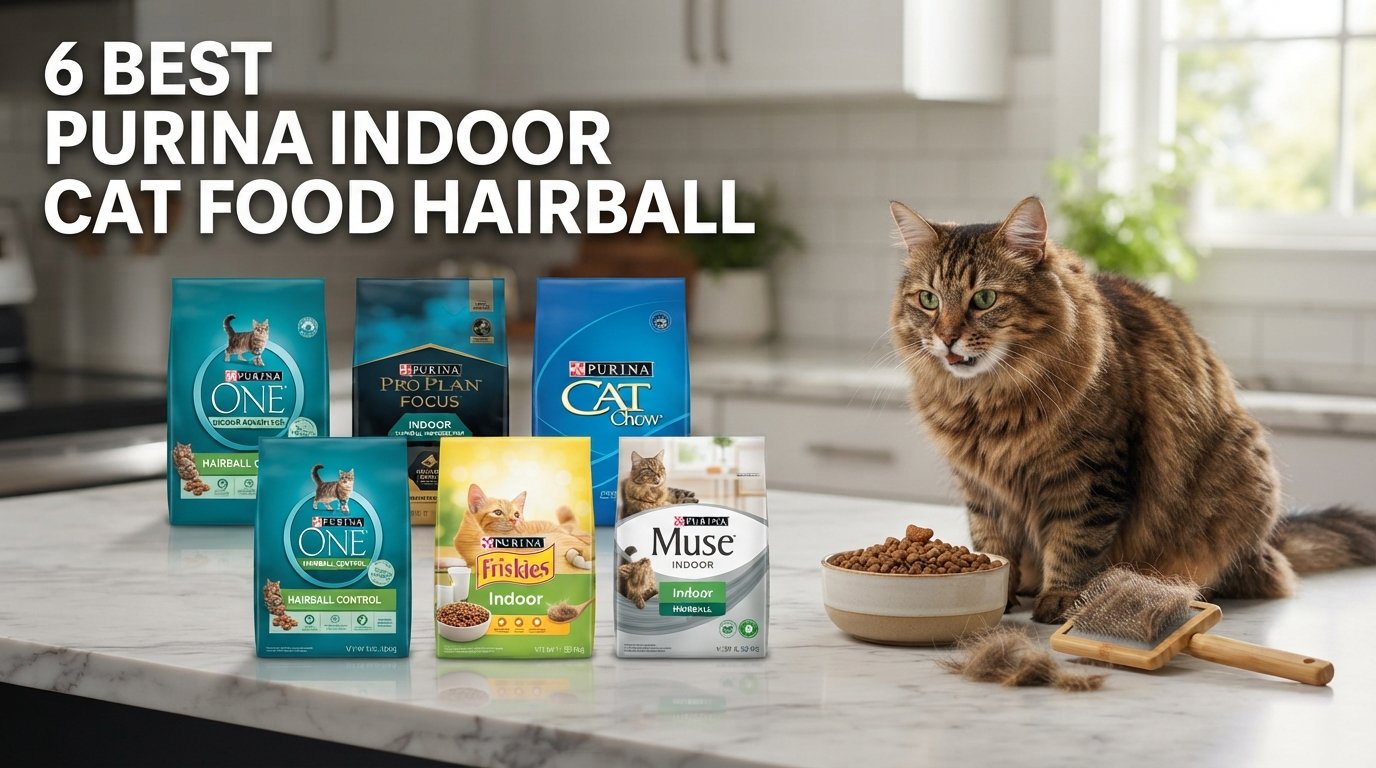
Purina makes hairball formulas across three separate lines: Cat Chow, ONE, and Pro Plan. I bought and compared six real listings across all three to find out which one actually cuts down hairballs instead of just putting “hairball control” on the bag. If you want the full range of indoor formulas beyond just hairball control, our cat food for indoor cats guide covers the rest.
This is a practical buying comparison, not a lab test. I looked at six visible Amazon listings, their ingredient panels, and how the formulas differ line to line. Some listings leave current price or bundle size to verify at checkout, so treat the numbers here as a starting point, not gospel.
Three questions matter more than star ratings: does the formula solve hairballs on its own or does it ask you to accept a tradeoff (fish smell, a smaller bag, a higher price per pound), and does the listing give you enough detail to buy with confidence. Use the reviews below as a shortlist, then confirm the current price, size, and return window before you check out.
For most indoor cats, Purina Cat Chow Indoor Healthy Weight and Hairball Control is the safest starting point. Real chicken is the first ingredient, it’s priced for multi-cat households, and it pulls double duty on weight control, which matters since indoor cats groom and nap more than they run around. If your cat is underweight or you want a fiber-forward formula instead, Purina ONE Natural Hairball Control is the better fit. Neither is a substitute for a vet visit if hairballs show up more than once or twice a month.
⚡ Quick Verdict
Purina Indoor Cat Food Hairball: Our Top Picks at a Glance
| Image | Product | Score | Best For | Link |
|---|---|---|---|---|
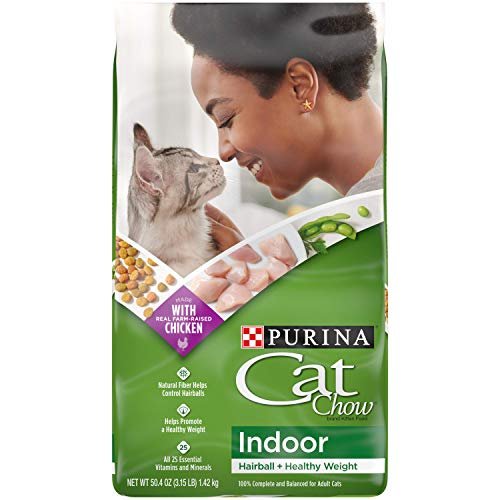 |
Purina Cat Chow Indoor Healthy Weight and Hairball Control 👑 Premium Pick |
8.7/10 | Multi-cat homes needing weight control too | View on Amazon Free Shipping & 30-Day Returns |
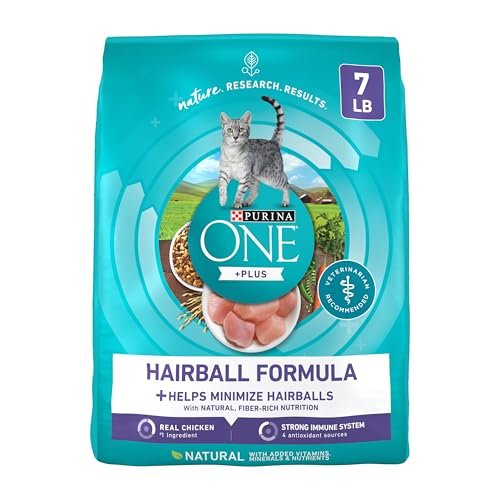 |
Purina ONE Natural Cat Food for Hairball Control (7 lb) 💰 Best Value |
8.0/10 | Single or two-cat homes, no weight concerns | View on Amazon Free Shipping & 30-Day Returns |
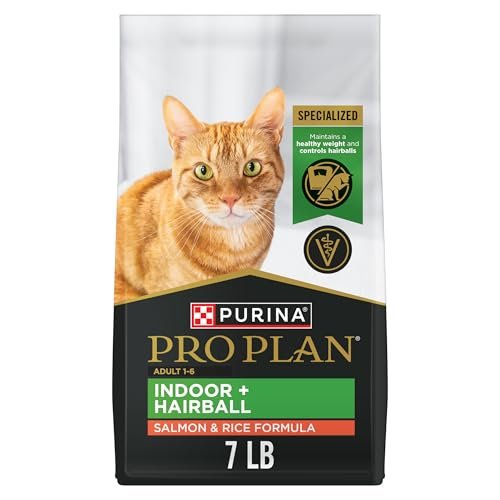 |
Purina Pro Plan Hairball Management, Indoor Cat Food, Salmon | 7.9/10 | Cats that prefer fish over poultry | View on Amazon Free Shipping & 30-Day Returns |
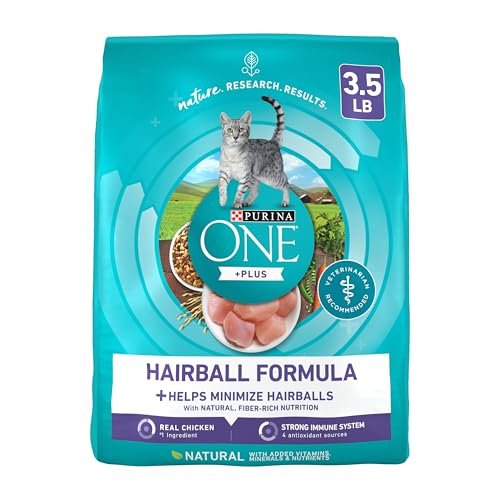 |
Purina ONE Natural Cat Food for Hairball Control (3.5 lb) | 7.6/10 | Trialing a new formula before buying big | View on Amazon Free Shipping & 30-Day Returns |
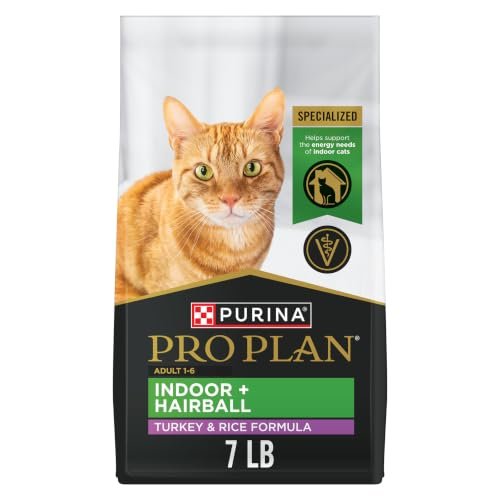 |
Purina Pro Plan Hairball Management, Indoor Cat Food, Turkey | 7.5/10 | Cats needing lower fat plus hairball control | View on Amazon Free Shipping & 30-Day Returns |
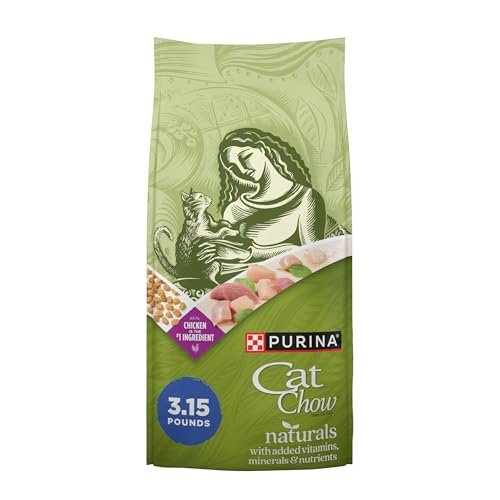 |
Purina Cat Chow Naturals Indoor Hairball & Healthy Weight | 7.0/10 | Budget multi-cat households | View on Amazon Free Shipping & 30-Day Returns |
We compared six Purina hairball listings across the Cat Chow, ONE, and Pro Plan lines on four things: fiber content and source, protein quality (first ingredient and where it comes from), price per pound at the listed size, and Amazon rating volume as a rough proxy for real-world satisfaction. None of these formulas went through an in-home feeding trial for this article; the scores reflect label analysis and buyer feedback patterns, not a vet-supervised study. If your cat has a diagnosed condition, run any switch by your vet first.
Detailed Reviews
Purina Cat Chow Indoor Healthy Weight and Hairball Control 👑 Premium Pick
| Protein Source | Farm-Raised Chicken |
| Skin & Coat Support | Omega-6 Fatty Acids |
| Vitamin & Mineral Count | 25 Vitamins and Minerals |
| Package Size | 4 x 3.15 lb Bags |
What We Found
This one does two jobs at once: weight management and hairball control, built around a chicken-first recipe. Farm-raised chicken supplies the protein while the calorie count stays low enough for adult cats that spend most of the day on a windowsill instead of chasing anything. If weight is the bigger worry, our best cat food for overweight indoor cats guide goes deeper on formulas built specifically around that.
Omega-6 fatty acids handle skin and coat, and 25 vitamins and minerals cover the rest of a complete diet. The four 3.15 lb bags are the practical part: you’re not opening one giant sack that goes stale before a single cat finishes it, which matters more once you’re feeding more than one cat from the same bin.
Reviewers report finicky cats taking to it without a fight, plus fewer hairballs and stable energy. Price per ounce moves around by retailer, so check the current total before assuming it’s cheaper than the bag size suggests.
The strongest all-around pick for multi-cat homes. It handles hairballs without letting weight creep up, which is the actual failure mode of a lot of hairball formulas that pack in extra fat for palatability.
Who It’s For
This fits multi-cat households that need weight control and hairball relief in the same bag. Cats prone to weight gain, or ones that groom themselves raw and swallow a lot of fur, do well here. If you want predictable, bagged nutrition without buying a 15-pound sack you’ll never finish before it goes stale, the four-pack format solves that.
Switch gradually. A week of mixing old and new food, moving the ratio a little each day, keeps appetite and stool steady during the change.
- Real chicken as the first ingredient
- Omega-6 for coat health
- Four-bag format works well for multi-cat homes
- Not Purina’s newest formula on shelves
- Price per ounce varies a lot by retailer
- Sensitive eaters may need a slower transition
Purina ONE Natural Cat Food for Hairball Control (7 lb) 💰 Best Value
| Protein Source | Real Chicken First Ingredient |
| Formula Type | SmartBlend with Antioxidants |
| Antioxidant Sources | Four Antioxidant Sources |
| Ingredient Promise | No Artificial Flavors |
What We Found
Purina ONE leans on fiber instead of weight control. The +PLUS formula adds four antioxidant sources and prebiotic fiber aimed at digestion and immune support, and real chicken still leads the ingredient list. The kibble has more crunch than the Cat Chow line, which does double duty for dental health while it delivers protein. For a full breakdown of what each ingredient term on the bag actually means, our Purina indoor cat food ingredients guide walks through it line by line.
It’s made in Purina-owned U.S. plants, and the label skips artificial flavors and preservatives. The 7 lb bag is sized for one or two cats, not five, so you’re not stuck rotating stock before it goes stale. Owners report firmer stools and steadier appetite within a couple weeks of switching.
This is the formula to reach for if your cat needs fiber more than calorie control.
A dependable middle option. It won’t out-perform Pro Plan on protein percentage, but the fiber blend does what it says, and the price per pound beats both Pro Plan bags below.
Who It’s For
Pick this if you want real chicken as the main protein without the weight-management angle baked in. It suits cats who tolerate fiber well and could use extra antioxidant support during shedding season. Real chicken as the lead protein also supports muscle and heart health over the long run.
The 7 lb size makes sense for anyone switching from a different brand who wants to test acceptance before committing to a bigger bag.
- Real chicken as the main protein
- Fiber and antioxidants support digestion
- Good price per pound for a smaller household
- Sensitive cats may need a slower transition
- Some picky eaters reject the crunchier kibble
- No grain-free option in this line
Purina Pro Plan Hairball Management, Indoor Cat Food, Salmon
| Protein Source | Salmon First Ingredient |
| Digestive Support | Probiotics & Prebiotic Fiber |
| Fat Content | Reduced Fat |
| Package Size | 7 lb Bag |
What We Found
Salmon leads the ingredient list here, which is the main reason to pick this over the chicken-based options above. Live probiotics and natural prebiotic fiber back up the protein, aimed at gut health as much as hairball reduction, and the fat content runs lower than standard Pro Plan formulas. If your cat vomits up hairballs instead of passing them, that’s a different problem this bag doesn’t specifically solve, and our cat food for indoor cats that throw up guide covers formulas built around that.
Fortified minerals and antioxidants back up coat condition during heavy shedding months. It’s made in Purina-owned facilities with no artificial flavors, and the flavor consistency shows up in the reviews: fewer complaints about cats refusing it partway through the bag compared to some fish-based competitors.
Go here if your cat already likes fish and poultry-based formulas haven’t worked.
Good for cats that are picky about fish flavors specifically. Skip it if your cat has a known fish allergy or if you’ve never tried a salmon formula and don’t want to risk a wasted bag.
Who It’s For
This works for indoor cats that need hairball management and respond better to fish than poultry. The probiotics matter more here than in the chicken lines above, since salmon-based diets can be harder on some cats’ stomachs during the first week. The 7 lb bag is a reasonable size to test that before buying bigger.
The lower fat content also helps during grooming-heavy months when cats are less active and more prone to gaining weight.
- High protein from a fish source, not just poultry
- Probiotics support digestion
- Reduced fat helps during low-activity months
- Costs more per pound than Cat Chow or ONE
- Not every cat prefers fish over poultry
- Not suitable for cats with a diagnosed fish allergy
Purina ONE Natural Cat Food for Hairball Control (3.5 lb)
| Protein Source | Real Chicken Primary Protein |
| Fiber Support | Fiber Blend |
| Immune Support | Antioxidants + PLUS |
| Package Size | 3.5 lb Bag |
What We Found
This is the same ONE formula as pick #2, just in a 3.5 lb bag instead of 7 lb. Real chicken still leads, the +PLUS antioxidant blend is unchanged, and the crunchy kibble still does some dental work on the side. The only real difference is math: smaller bag, higher price per pound, more frequent reorders.
That math works in your favor if you’re not sure your cat will accept the switch. A 3.5 lb bag costs less upfront and wastes less food if it doesn’t land. Reviewers who bought this size specifically to test acceptance before committing to a bigger bag report smoother transitions than jumping straight to 7 lb.
Buy this size only to test the formula. Once your cat accepts it, the 7 lb bag above is the better price per pound for the same recipe.
Who It’s For
Pick this size for a single-cat home doing a trial run, or a multi-cat home wanting to test acceptance across a few cats before buying in bulk. It’s a low-risk way to confirm your cat will actually eat the ONE fiber blend before you commit to a bigger bag.
- Low-risk way to test the ONE formula
- Real chicken as main protein
- Same antioxidant blend as the 7 lb bag
- Higher price per pound than the 7 lb size
- Multi-cat homes will burn through it fast
- Same single flavor option as the larger bag
Purina Pro Plan Hairball Management, Indoor Cat Food, Turkey
| Protein Source | Real Turkey First Ingredient |
| Digestive Support | Live Probiotics |
| Fiber Support | Natural Prebiotic Fiber |
| Fat Content | 10% Less Fat |
What We Found
Turkey leads the ingredient list, and the formula runs 10 percent lower in fat than standard Pro Plan lines, which helps if weight is creeping up alongside hairballs. Guaranteed live probiotics and prebiotic fiber back up digestion the same way the salmon version does. If your cat also shows allergy symptoms alongside hairballs, our Purina Pro Plan LiveClear review covers a line built specifically to cut allergens.
Prebiotic fiber feeds the gut bacteria that keep stool consistent, which matters more during shedding season when hairball frequency tends to spike. Reviewers who switched gradually report clear improvement within two to three weeks. The 7 lb size is a reasonable trial before buying in bulk.
Solid if your cat won’t touch salmon. It lands just below the salmon version here mainly on price, not performance.
Who It’s For
This suits cats that need hairball control and weight management together, but prefer poultry to fish. The lower fat content helps during less active months without cutting protein. It works well as part of a rotating diet if you like switching flavors every few months.
Give it a couple weeks before judging results. Fiber-based hairball control works gradually, not overnight.
- 10% less fat supports weight control
- Probiotics back up digestion
- Poultry option for cats that skip fish
- Less appealing to cats that prefer fish flavors
- Transition period needed for best results
- Availability varies by region
Purina Cat Chow Naturals Indoor Hairball & Healthy Weight
| Ingredient Type | Natural Ingredients |
| Hairball Support | Hairball Fiber Blend |
| Weight Support | Indoor Weight Balance |
| Package Size | 4 x 3.15 lb Bags |
What We Found
Real turkey and chicken lead here, backed by a fiber blend built for hairball transit and 25 vitamins and minerals for baseline nutrition. It’s the budget entry in this lineup, and it shows in a few places: fewer flavor options, less specific labeling on the antioxidant sources compared to the ONE and Pro Plan lines above.
The four 3.15 lb bags simplify stocking for multi-cat households. Owners report an easy switch from other brands without stomach upset, and the indoor-specific formulation keeps weight in check while the fiber blend does the hairball work.
Some cats need a slower introduction or more flavor variety to fully take to the kibble, which is the main reason it scores below the other five.
The budget pick, and it’s fine for that role. Rotate in a different flavor occasionally if your cat gets bored of it.
Who It’s For
This fits mixed indoor households on a budget who still want real poultry and fiber for hairball control. It works for cats prone to weight gain who also deal with hairballs from constant indoor grooming. The four-pack format cuts down on how often you’re reordering across several cats.
- Real poultry protein at a lower price point
- Fiber blend supports hairball transit
- Four-pack size fits multi-cat homes
- Fewer flavor options than ONE or Pro Plan
- Some cats need a slower flavor introduction
- No grain-free version in this line
Cat Chow vs. ONE vs. Pro Plan: What Actually Separates the Three Lines
All three Purina lines use fiber to move hair through the gut instead of letting it sit and form a mass. What changes line to line is protein quality, price, and how much extra support (probiotics, antioxidant counts, fat control) comes bundled in. Here’s the short version.
| Line | Price Tier | Protein Quality | Extra Support |
|---|---|---|---|
| Cat Chow | Budget | Real meat first, fewer named sources | Basic vitamin/mineral panel |
| ONE | Mid-range | Real meat first, SmartBlend antioxidants | Four antioxidant sources, prebiotic fiber |
| Pro Plan | Premium | Named meat first, wider protein variety | Live probiotics, fat-content control |
For a full side-by-side beyond hairball formulas, our Purina ONE vs Purina Pro Plan Cat Food comparison covers the rest of each lineup.
How to Read a Hairball Formula Label
Most “hairball control” claims come down to one or two ingredients doing the actual work. Here’s what to look for on the guaranteed analysis panel and ingredient list.
- Cellulose or beet pulp: the most common fiber sources in Purina’s hairball lines. They add bulk that carries swallowed hair through the digestive tract instead of letting it collect.
- Crude fiber percentage: hairball formulas typically run 3 to 5 percent higher than standard adult formulas. Higher isn’t automatically better; too much fiber can loosen stool.
- First ingredient: should be a named animal protein (chicken, turkey, salmon), not a generic “meat meal” or a grain.
- AAFCO statement: look for the line confirming the formula meets AAFCO nutrient profiles for adult maintenance. All six products here carry it.
- Fat percentage: matters if weight control is part of your goal, since hairball formulas aren’t automatically low-fat.
What to Look For in a Purina Indoor Cat Food Hairball Formula
Prioritize consistency, fiber balance, and protein quality over marketing language on the front of the bag. The formula should handle digestion and weight together, not trade one for the other. Factor in your cat’s age and activity level before picking a bag size. If you want to see how the ONE line stacks up directly against Pro Plan across the board, our Purina One vs Purina Pro Plan Cat Food comparison breaks down the differences beyond hairball control.
- Named animal protein listed first, not a generic “meat” or “poultry” byproduct
- Fiber source called out by name (cellulose, beet pulp) rather than just “fiber blend”
- Bag size matches your household: 3.5-4 lb for one cat trialing a switch, 7 lb-plus for committed multi-cat homes
- AAFCO adequacy statement present on the label
- A plan for a 7 to 10 day transition, not a same-day swap
Check Fiber Content and Balance
Fiber is what actually moves hair through a cat’s gut. Look for named fiber sources and a guaranteed fiber percentage on the label instead of a vague “hairball formula” claim. Too much fiber cuts palatability and can loosen stool; too little won’t do the job. A moderate, named fiber blend is the target.
Value the Protein Source
Protein source drives muscle maintenance and overall condition. Real poultry or fish listed as the first ingredient beats a generic meal every time. Check for minimal artificial flavors or preservatives, and look at whether the brand names its manufacturing location. Purina makes all six formulas here in its own U.S. plants.
Weigh Customer Feedback Against Price
Amazon rating volume gives you a rough read on consistency across a lot of households, not a guarantee for your specific cat. Compare the average rating against the number of reviews, not just the star count alone. Work out price per ounce, not price per bag, since bag sizes vary a lot across this lineup. Factor in how often you’ll actually reorder before assuming the bigger bag is the better deal.
Confirm the Nutritional Fit for Your Cat
Match the formula to your cat’s age and activity level before buying. Plan a gradual transition over a week or two to avoid stomach upset. Keep a small bag of the old food on hand in case palatability becomes an issue mid-switch. Fresh water matters here too: dehydration makes hairballs harder to pass, not just harder to swallow.
⚠️ When Diet Isn’t Enough: Talk to a Vet
A cat bringing up a hairball once or twice a month is normal. More than that, or hairballs paired with any of the following, is worth a vet visit rather than another bag switch:
- Vomiting attempts with no hairball produced
- Loss of appetite or noticeable weight loss
- Lethargy lasting more than a day
- Constipation or visible straining in the litter box
Diet changes help with routine hairballs. They don’t fix an underlying digestive issue, and no hairball formula on this list is a substitute for a vet checking that out.
🖼️ Image placeholder: side-by-side photo of dry kibble from Cat Chow, ONE, and Pro Plan hairball lines, showing kibble size and shape differences
Purina Indoor Cat Food Hairball: Frequently Asked Questions
Does Consumer Reports rate cat food for hairballs?
Consumer Reports doesn’t run a dedicated hairball cat food category the way it does for appliances or cars. Its pet food coverage tends to focus on recalls, ingredient safety, and general nutrition rather than head-to-head hairball testing. For hairball-specific comparisons, veterinary sites and independent buying guides like this one fill that gap; just check that any source discloses how it evaluated the products, not just a star average.
Is wet or dry food better for hairball control?
Dry food carries the fiber that most hairball formulas rely on, so it’s the more common choice for this specific problem. Wet food’s higher moisture content helps overall hydration and can make existing hairballs easier to pass, but it doesn’t add the bulk fiber that prevents them forming in the first place. Some owners mix both: dry hairball formula as the base, a little wet food for hydration.
Is hairball control only for indoor cats?
Hairballs show up more in indoor cats mainly because they groom more often out of boredom, not because outdoor cats swallow less hair. Dietary fiber helps move ingested hair through the digestive tract regardless of where the cat lives. Adequate hydration supports the same process and can reduce hairball frequency on its own.
Should I switch brands quickly?
No. A fast switch upsets digestion more often than it doesn’t. Spread the change over 7 to 10 days, moving the ratio of new to old food a little each day. Watch appetite and stool during the change, not just whether the bowl gets emptied.
Which formula works best for picky eaters?
Picky cats respond better to consistent texture and a protein they already like than to any specific brand claim. Blend the new formula into the current kibble gradually and watch acceptance before committing to a full bag. The smaller 3.5 lb ONE bag reviewed above exists specifically for this kind of trial run.
Can hairball formulas cause weight gain?
Yes, if you don’t adjust portions. A calorie-dense hairball formula fed at the same scoop size as a lower-calorie food adds weight over a few months. Weigh your cat monthly during any diet change and adjust the portion, not just the food, if the number starts climbing.
Are these formulas grain-inclusive?
Yes, all six formulas here use rice or another grain as a carbohydrate and fiber source. Grains aren’t the enemy for most cats; they’re a reasonably digestible energy source that also helps transit. If your cat has a diagnosed grain intolerance, talk to your vet about alternatives, and our Purina indoor cat food reviews guide covers grain-inclusive and grain-free options side by side.
Can kittens eat hairball control formula?
No, not as a regular diet. None of the six formulas here are labeled for growth or kitten nutrition; they’re built for adult maintenance. Kittens need higher protein and fat for growth, and hairballs are rarely a kitten problem in the first place since they don’t groom as much yet. Stick with a kitten-specific formula until your cat reaches adult maintenance age, generally around 12 months.
How long before I see fewer hairballs after switching?
Give it two to three weeks after the transition period ends. Fiber-based hairball control works by changing what moves through the gut over time, not by dissolving an existing hairball overnight. If nothing’s changed after a month on the new food, that’s worth a vet conversation instead of another brand switch.
🎯 Final Verdict
Purina Cat Chow Indoor Healthy Weight and Hairball Control is the pick if you want one bag that handles weight and hairballs together for a multi-cat home. Real poultry protein, controlled calories, and omega-6 for coat health come in a four-pack that cuts down on how often you’re back at the store.
Start with the top pick, keep the runner-up in mind if your cat needs fiber more than weight control, and switch gradually over a week or two. Track appetite, stool, and weight during the change, and call your vet if hairballs keep showing up more than once or twice a month regardless of which formula you land on.

Written by Mishu
A passionate cat lover and indoor living enthusiast, Mishu is the founder and voice behind Indoor Living Cat – a go-to resource for cat owners who want to create the happiest, healthiest life for their feline companions indoors.
View Full Profile