
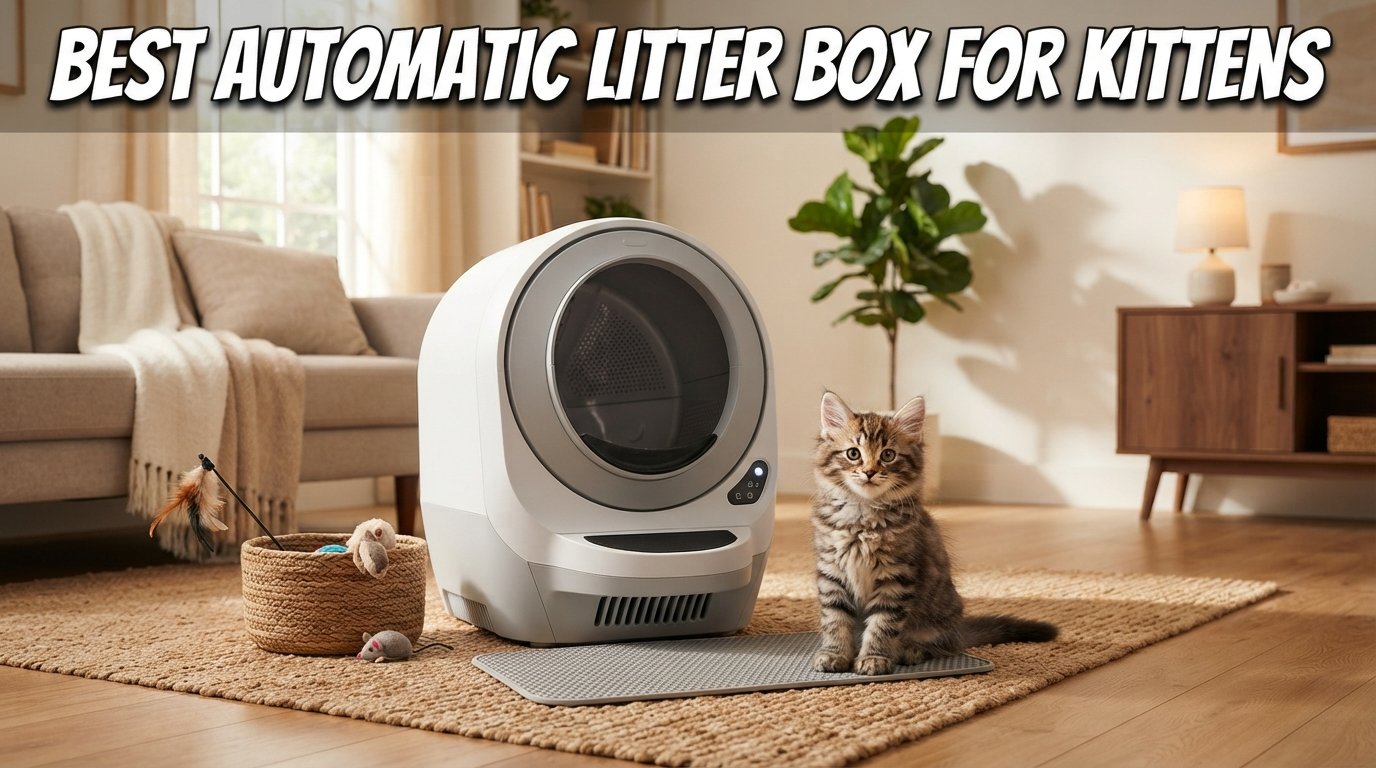
Kittens grow fast. A cat that’s barely five pounds today can be double that in a few months, and that growth curve is exactly why the automatic litter box you pick has to work for a small, light, still-nervous animal right now, not just the adult cat it’ll become later.
Most automatic litter boxes are built with grown cats in mind. Their weight sensors often need 5 to 8 pounds of pressure just to arm the safety lockout, and a young kitten can weigh half that for months. So the question this guide answers isn’t “which box is best overall.” It’s “which of these will actually recognize a kitten is inside and keep them safe.” That’s the lens we used to re-rank everything below, and it’s why a box that scores well for an adult cat can still land near the bottom of this particular list.
If you’re shopping more broadly and want the full lineup without the kitten-specific filter, our complete guide to the best automatic litter boxes covers the full range of sizes and price points.
⚡ Quick Verdict
Our Top Picks at a Glance
| Image | Product | Kitten Fit Score | Link |
|---|---|---|---|
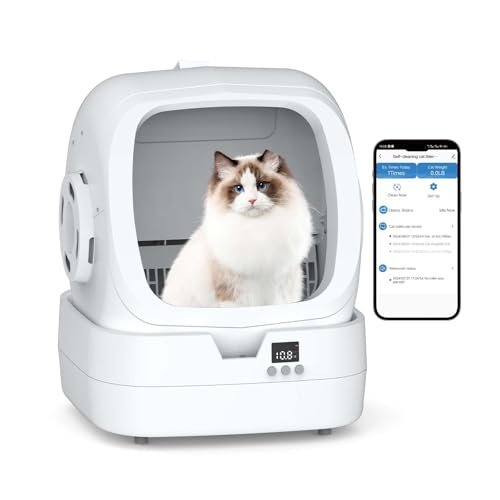 |
Mintakawa Automatic Cat Litter Box, App Controlled 🏆 Best for Kittens |
9.4/10 | View on Amazon |
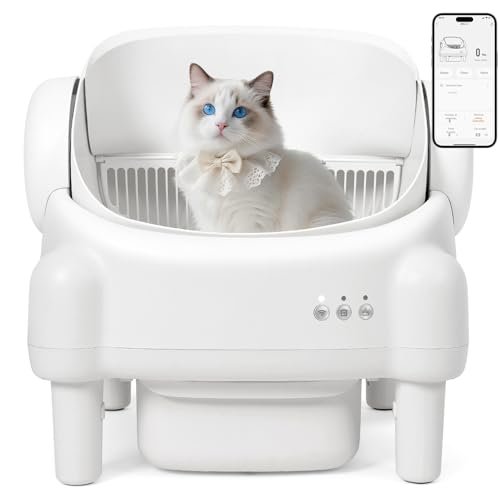 |
PARUUNTYS Self Cleaning Litter Box, Open Top 🥈 Runner-Up |
9.0/10 | View on Amazon |
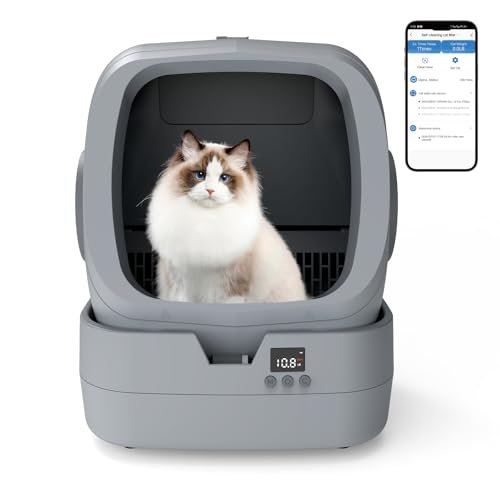 |
UPFAS Automatic Cat Litter Box, App Control | 8.5/10 | View on Amazon |
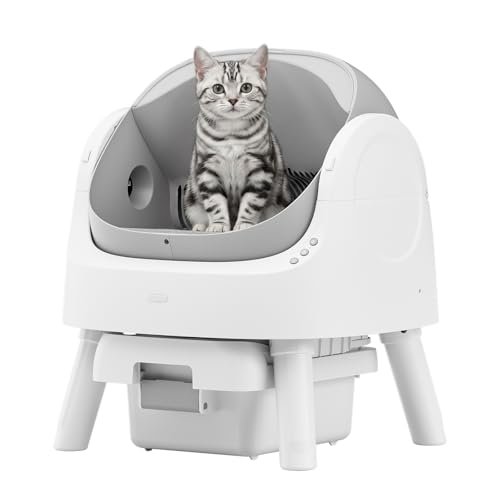 |
Self Cleaning Cat Litter Box, Open Top 🏅 Best for Nervous Kittens |
8.3/10 | View on Amazon |
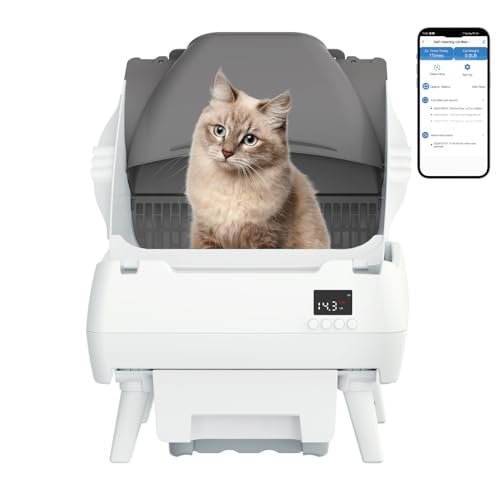 |
Lohhuby Automatic Cat Litter Box, Open Style | 8.0/10 | View on Amazon |
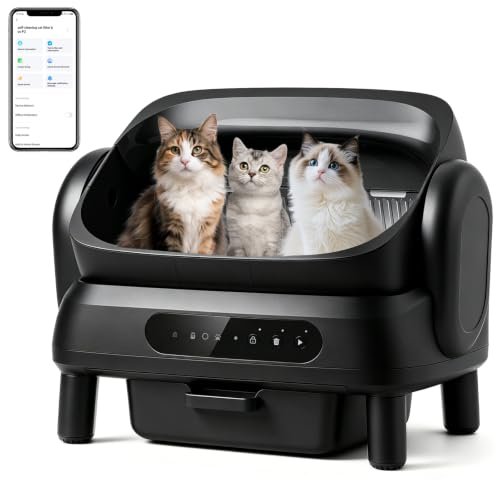 |
XXXL Automatic Cat Litter Box 🐾 Best for a Kitten Growing Into an Adult Cat |
7.4/10 | View on Amazon |
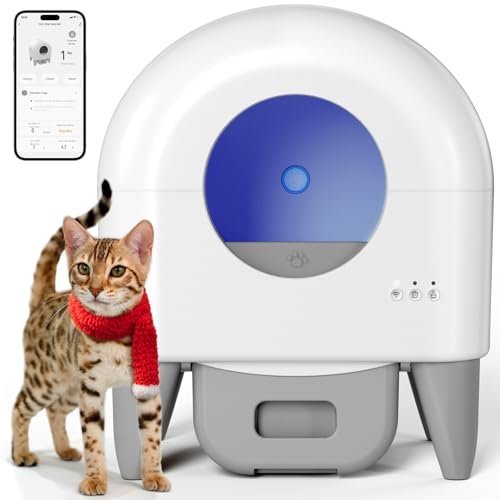 |
Fumoi Automatic Cat Litter Box, Large Drum 🏠 Best for Multi-Cat Homes With a Kitten |
7.2/10 | View on Amazon |
| Product | Published Min. Weight | Sensor Type | Entry / Opening |
|---|---|---|---|
| Mintakawa | 3.5 lb | Weight sensor + app tracking | Compact, standard entry |
| PARUUNTYS | Not published by the manufacturer | Weight + infrared (dual) | 16.5 in opening |
| UPFAS | Not published; marketed for medium cats and kittens | App-based monitoring | Standard entry |
| Self Cleaning Open Top (#4) | Not published | Infrared + Hall sensors | Open-top, no dome |
| Lohhuby | Not published; anti-pinch tech | Anti-pinch + app control | Open-style |
| XXXL | Not published; built for large/adult cats | 6-layer infrared | 24 x 18 in opening (oversized for young kittens) |
| Fumoi | Not published; built for multi-cat volume | Infrared motion sensors | Large drum entry |
When a brand doesn’t publish a minimum weight, don’t assume it’s low enough. Check the listing or contact the seller before you let a kitten use the box unsupervised, and see the checklist further down this page for what to test yourself.
We scored each box on minimum weight sensitivity, entry height and opening size, sensor redundancy, noise level, and how forgiving the design is for a cat that’s still learning. Boxes built mainly for large or multiple adult cats got marked down even when their build quality was excellent, because a wide entry and a heavy-duty motor don’t help much if the sensor can’t register a five-pound kitten in the first place.
Detailed Reviews
Mintakawa Automatic Cat Litter Box, App Controlled 🏆 Best for Kittens
| Weight Range | 3.5 lb to 15 lb |
| Connectivity | Wi-Fi and Bluetooth app |
| Noise Level | Below 35 dB |
| Assembly | Required, about 30 minutes |
What We Found
This is the only box in our lineup with a published minimum weight of 3.5 pounds, low enough to register most kittens once they’re old enough to use an automatic unit safely. Most competitors are tuned for a 5 to 8 pound minimum. A kitten under that line can walk in and out without the sensor ever knowing they were there, and that’s a safety gap, not a minor spec difference.
The app tracks weight and visit frequency over time, and for a kitten owner that turns out to be genuinely useful. You can watch their weight climb week to week and get an early flag if visit frequency drops, often the first sign something is off. The compact footprint also suits a kitten’s early living space better than the larger units on this list.
The tradeoff is the 15 pound upper limit. If you plan to keep this as your only box once your cat is fully grown, check your breed’s typical adult weight first. It’s fine for most domestic shorthairs, but larger breeds will outgrow it.
This is the one I’d point a new kitten owner to first. The low weight threshold isn’t a nice extra, it’s the feature that actually makes this appropriate for a kitten in a way most of the others aren’t.
Who It’s For
Best for owners bringing home a single kitten who want a box that will keep them safe from month one and give them useful growth data along the way. It’s also a good fit for smaller apartments, where the compact size matters.
- Lowest published minimum weight in this lineup, built for small cats.
- Weight and visit tracking helps you catch health issues early.
- Compact size suits smaller homes and kitten-proofed rooms.
- 15 pound upper weight limit means you may need to upgrade for a large adult cat.
- Assembly required, budget about 30 minutes.
- Smaller waste bin than the XXXL and Fumoi models.
PARUUNTYS Self Cleaning Litter Box, Open Top 🥈 Runner-Up
| Safety | Dual weight and infrared sensors |
| Entry Size | 16.5 inch opening |
| Capacity | 15L sealed bin |
| Design | Open-top |
What We Found
Where this box earns its spot is redundancy. It doesn’t rely on one sensor type to decide whether the drum is safe to rotate. It checks both weight and infrared, so if one system misreads a kitten’s small body, the other is there as a backup. That layered safety matters most in exactly the scenario you’re worried about: a light, fast-moving kitten a single sensor might miss.
The 16.5 inch opening is wide and low enough that even a hesitant kitten can walk in and look around before committing, which helps with the litter box confidence younger cats often need to build. The sealed 15L bin locks in odor well between cleanings, and the washable liner keeps ongoing costs down.
It only supports 2.4G Wi-Fi. Double check your router settings before buying if you’re on a mesh network that defaults to 5G.
If you want two independent safety systems rather than trusting one sensor with your kitten’s safety, this is the pick.
Who It’s For
Great for cautious owners who want backup sensors as insurance, and for kittens still a little unsure about stepping into an enclosed space.
- Two independent sensor types reduce the risk of a missed detection.
- Wide, welcoming entrance for a nervous kitten.
- Washable liner keeps long-term costs low.
- 2.4G Wi-Fi only, confirm your network supports it.
- Larger footprint than the Mintakawa.
- Liner needs regular attention to stay effective.
UPFAS Automatic Cat Litter Box, App Control
| Smart Features | App monitoring, usage history |
| Noise Level | Below 35 dB |
| Maintenance | Washable drum |
| Sizing | Built for medium cats and kittens |
What We Found
This one sits between the compact Mintakawa and the larger multi-cat units. It’s sized for medium cats and kittens rather than adult giants, and it runs quietly enough that it won’t spook a kitten mid-cycle. The app’s usage history is a nice touch for spotting changes in bathroom habits early, which matters more in the first year than most owners realize.
Assembly takes some patience, but the included video guide makes it manageable even for a first-timer. Once it’s set up, the washable drum keeps long-term maintenance simple.
A solid middle ground if the Mintakawa feels too small for your household but the multi-cat units on this list feel like overkill.
Who It’s For
Good for one or two medium-sized cats, including a kitten past the earliest stage, in a home where quiet operation matters.
- Detailed usage history helps track early habit changes.
- Quiet enough for bedrooms or small apartments.
- Washable drum simplifies deep cleaning.
- Assembly required and takes real time.
- 2.4GHz Wi-Fi only.
- Not the right size for a very young or very small kitten.
Self Cleaning Cat Litter Box, Open Top 🏅 Best for Nervous Kittens
| Safety System | Infrared and Hall sensors |
| Noise Level | 32dB |
| Design | Open-top |
| Maintenance | Tool-free |
What We Found
This is the quietest unit we tested at 32dB, and for a kitten that startles easily, that matters more than any app feature. The open-top design also means a kitten can see out and be seen the whole time, which tends to build confidence faster than a fully enclosed dome.
It skips app connectivity entirely, so there’s no weight tracking or remote scheduling, but tool-free disassembly makes manual cleaning genuinely fast. For an owner who just wants a simple, safe, quiet box without managing another app, this covers the basics well.
If your kitten is the skittish type, the low noise and open sightlines here will likely matter more to them than any smart feature.
Who It’s For
Best for anxious or easily startled kittens, and for owners who want a simple, no-app solution.
- Quietest option in this lineup at 32dB.
- Open sightlines help nervous kittens feel secure.
- Tool-free cleaning saves real time.
- No app, so no remote monitoring or weight tracking.
- Manual scheduling only.
- Fewer smart features than the app-connected options above.
Lohhuby Automatic Cat Litter Box, Open Style
| Control | Mobile app |
| Design | Open-style |
| Safety | Anti-pinch technology |
| Support | 24/7 customer service |
What We Found
The open-style body improves airflow and helps odors dissipate rather than build up, and the anti-pinch technology reacts fast if it senses contact, which is reassuring for a small kitten still figuring out its own timing around a moving part. Maintenance is straightforward since the inner drum lifts out without tools.
It’s marketed for medium cats and kittens, and in practice it gives a young cat enough room to move without feeling cramped. Around-the-clock customer support is a genuine plus for a first-time automatic litter box owner working through setup questions.
A dependable, easy-to-maintain option for a kitten that’s already comfortable with an open-top design.
Who It’s For
Good for owners who want app-controlled scheduling paired with an accessible, open design, especially kittens still learning the ropes.
- Open design is welcoming for young kittens.
- App control allows easy remote scheduling.
- Simple, tool-free maintenance.
- 2.4G Wi-Fi only.
- Open design can allow some litter tracking.
- No dedicated health or weight monitoring.
XXXL Automatic Cat Litter Box 🐾 Best for a Kitten Growing Into an Adult Cat
| Waste Capacity | 20L |
| Safety | 6-layer infrared system |
| Design | XXXL open-top |
| Odor Control | Triple-action system |
What We Found
Let’s be direct about this one: it’s built for large and multiple adult cats first, and a very young kitten second. The 24 by 18 inch opening is genuinely oversized for a five or six pound kitten, and it can take some cats weeks to feel confident using an entry that large. That said, the 6-layer infrared sensor system is excellent and works reliably even on carpet, and the 20L bin means up to 25 days between manual cleanings.
Where this makes sense is if you’re planning ahead. A kitten today becomes an adult cat within a year. If you already know you’ll have multiple cats or a larger breed, buying this now and supervising the transition closely can save you from re-buying a second unit later.
Treat this as a long-term investment rather than a kitten-first product. It’s the right call if you’re planning years ahead, not for a brand new eight-week-old kitten today.
Who It’s For
Best for households that already have or plan to add multiple cats, or larger breeds, where the kitten is one part of a bigger long-term picture rather than the only consideration.
- Massive capacity reduces daily cleaning needs.
- Reliable infrared sensors work on any floor surface.
- Grows with your cat instead of needing a replacement.
- Entry is oversized for a very young kitten.
- Higher price point than the compact options.
- Large footprint needs real floor space.
Fumoi Automatic Cat Litter Box, Large Drum 🏠 Best for Multi-Cat Homes With a Kitten
| Drum Capacity | 95L |
| Waste Bin | 15L |
| Noise | Ultra-quiet night mode |
| Safety | Infrared motion sensors |
What We Found
Like the XXXL model above, this is fundamentally a multi-cat unit rather than a kitten-first product, and we’re ranking it accordingly. The 95L drum and 15L waste compartment are built around volume, which matters most once you have two or more cats sharing one box, kitten included.
The ultra-quiet night mode is a real advantage if the box lives near a bedroom, and the reusable liner is a genuinely eco-friendly touch most competitors skip. If your kitten is growing up alongside older cats already using this system, that shared consistency can help them learn the routine faster by watching the other cats.
Worth it if your kitten is joining an existing multi-cat household, less so if this is your first cat and first box.
Who It’s For
Best for busy multi-cat households where a kitten is being introduced into an established routine, rather than a standalone kitten setup.
- Very large drum capacity suits multiple cats.
- Reusable liner is eco-friendly and cost-effective.
- Ultra-quiet mode minimizes nighttime disturbance.
- Not sized with a solo kitten in mind.
- 2.4GHz Wi-Fi only.
- Bulky for small apartments.
How to Transition a Kitten From a Regular Litter Box to an Automatic One
Buying the right box is half the job. How you introduce it matters almost as much, and rushing this step is where most kitten litter box training goes wrong. Here’s the process vets and manufacturers generally recommend.
- Start with a standard, open litter tray. Let your kitten build consistent habits here first, before an automatic box enters the picture at all.
- Weigh your kitten, don’t guess. Check the box’s published minimum weight against your kitten’s current weight on a kitchen scale. If they’re under it, wait.
- Place the new box unplugged. Let your kitten explore it and use it like a regular tray for several days with the motor off.
- Keep the litter they already know. Switching litter type and box type at the same time makes it harder to tell which change caused a problem if one shows up.
- Turn on automatic cleaning only once they’re using it confidently. That’s usually after they’ve entered and exited calmly, unsupervised, for a week or two.
- Supervise the first several automatic cycles. Watch from a distance the first few times the rake or drum activates, and be ready to intervene if your kitten seems startled or trapped.
If your kitten balks at any step, go back one and give it more time. There’s no prize for rushing this, and a bad first experience with a moving box can create an aversion that follows them for years.
Signs Your Kitten Is Ready for Automatic Mode
- They meet or exceed the box’s published minimum weight.
- They’ve used a standard tray without accidents for at least a couple of weeks.
- They walk in and out of the unplugged automatic box without hesitation.
- They aren’t easily spooked by household noises, like the vacuum or a doorbell.
If your kitten checks all four boxes, most automatic litter boxes on this list are a reasonable next step. If they’re missing even one, a few more weeks on a standard tray costs you nothing and protects them from a bad first experience.
What to Look For Before Buying a Litter Box for a Kitten?
An automatic litter box built for an adult cat isn’t automatically safe for a kitten. The difference usually comes down to four things: minimum weight sensitivity, entry size, the age you introduce it, and how much you supervise the first few weeks.
Check the Minimum Weight Threshold
This is the single most important spec for a kitten owner, and it’s often buried in the manual rather than the marketing copy. Many automatic boxes need 5 to 8 pounds of pressure before the cleaning cycle will pause for a detected cat, and a young kitten may not weigh that much for months. If a box’s listed minimum weight is higher than your kitten’s current weight, don’t run the automatic cycle unsupervised, or hold off until they’ve grown into it.
Wait for the Right Age
Recommendations vary by manufacturer, which is part of why this is confusing. Some brands say a kitten can start as young as 8 to 12 weeks once they clear the weight threshold; others recommend waiting until 4 to 6 months regardless of weight, since younger kittens haven’t developed the same startle recovery as an older cat. Kittens under 8 weeks old shouldn’t use an automatic box at all, full stop, no matter what the sensor spec says. When in doubt, follow the more conservative number and ask your vet at the next checkup. Before your kitten is ready, a standard open litter tray is the safer choice regardless of how advanced the sensors are.
Look at Entry Height and Opening Size
A kitten’s legs are short and their confidence is still developing, so a low, wide opening gets used far more consistently than a tall dome or narrow tunnel. Open-top designs tend to work better for young cats than fully enclosed ones, since the kitten can see out at all times. If you can, measure the entry height against your kitten’s shoulder height before buying rather than guessing from a product photo.
Prioritize Redundant Safety Sensors
Boxes with two independent sensor types, typically infrared plus weight, are meaningfully safer than single-sensor designs, because one system can catch what the other misses. Test the sensors yourself during setup before trusting the unit with an unsupervised kitten.
Match Capacity to Your Actual Household
A single kitten doesn’t need a 95L drum, but if you know you’re headed toward a multi-cat home, buying larger now can be the more practical long-term choice. If you’re weighing that tradeoff, our guide to the best automatic litter boxes breaks down capacity by household size in more depth. And if odor control between cleanings is your bigger concern than kitten sizing specifically, our best self-cleaning litter box picks go deeper on sealed bins and odor lock systems.
Check Smart Connectivity and Litter Compatibility
Confirm your home Wi-Fi supports the device. Most of these units require 2.4GHz specifically, not the 5GHz band many newer routers default to. If tracking growth and habits through an app matters to you, our best smart litter box picks compare app features side by side. Also check which litter types the box supports before buying, since most automatic units are built around clumping clay and can jam with lightweight or crystal litters.
On a tighter budget, several of the boxes above are worth comparing against our best automatic litter box under $300 roundup. And if floor space is your limiting factor rather than budget, our best litter box for small apartments guide focuses specifically on compact footprints.
Frequently Asked Questions
At what age can a kitten use an automatic litter box?
Most vets and manufacturers recommend waiting until at least 4 to 6 months old, once your kitten’s weight is more likely to register with the box’s sensors, though a few brands allow supervised use as early as 8 to 12 weeks for kittens that clear the weight minimum. Supervise the first several unsupervised cycles closely, even after that age. Kittens under 8 weeks should never use an automatic box.
Can kittens use automatic litter boxes at all, or should I wait?
Yes, once they’re old enough, heavy enough for the sensors, and already comfortable using a standard litter box without accidents. Skipping straight to an automatic box before any of those three boxes are checked is the most common mistake new kitten owners make.
Will the sensor detect a kitten if it doesn’t reach the minimum weight?
Not reliably. If your kitten’s current weight is below the box’s published minimum, the cleaning cycle may run without registering that they’re inside, which is unsafe. Check the spec sheet before your first unsupervised use, and weigh your kitten on a kitchen scale rather than estimating.
How do I switch my kitten from a regular litter box to an automatic one?
Introduce the new box unplugged first, keep the same litter they’re used to, and only switch on the automatic cycle once they’re using it calmly and confidently. See the step-by-step transition plan above for the full process.
Do these boxes work with all types of cat litter?
Most models are built around clumping clay litter. Some support other types, but check the manual first, since lightweight or crystal litters can jam the raking mechanism.
How often should I clean the waste bin?
It depends on usage and household size. Most bins need emptying every one to two weeks, though sealed, high-capacity bins can hold waste longer.
What happens if the power goes out mid-cycle?
The unit typically stops and resumes once power returns. Some models offer battery backups for added safety during outages.
Can I use an automatic box in a small apartment?
Yes, but measure your floor space first and choose a compact, quiet model. Our best litter box for small apartments guide is a good next stop if space is tight.
🎯 Final Verdict
For most kitten owners, the Mintakawa is the pick that actually earns the “best for kittens” label, since it’s the only unit here with a minimum weight low enough to reliably protect a small cat rather than an adult one. If you want the extra insurance of a second sensor type, the PARUUNTYS is a strong runner-up with a wide, welcoming entrance.
The XXXL and Fumoi units are excellent machines, but they’re built for large or multi-cat households first, so treat them as a long-term investment rather than a day-one kitten purchase. Whichever box you choose, wait until your kitten is old enough, confirm the sensor can actually detect their current weight, and supervise the first few cycles before trusting it fully.
Looking for other types of litter boxes? Explore our complete Indoor Cat Litter Box guide for covered, stainless steel, top-entry, and automatic options, or start with our best automatic litter boxes roundup if you want the full lineup beyond the kitten-specific filter used here.

Written by Mishu
A passionate cat lover and indoor living enthusiast, Mishu is the founder and voice behind Indoor Living Cat – a go-to resource for cat owners who want to create the happiest, healthiest life for their feline companions indoors.
View Full Profile