Indoor cats burn fewer calories than cats who roam outside, and that one fact changes everything about how you should feed them. Less movement means a higher risk of weight gain, sluggish digestion, hairballs and litter box odor. The right food fixes most of that before it starts.
A good indoor cat diet starts with real animal protein, since cats are obligate carnivores. From there it needs balanced calories, digestive support and nutrients for skin, coat and muscle. Fiber-rich formulas cut down on hairballs too, which matters most for cats who spend their day grooming indoors instead of burning energy outside.
We reviewed the top-rated dry food, wet food, treats and digestive support products for indoor cats this year, ranked from complete daily diets down to supplements. Want a full feeding plan to go with these picks? Our guide on how to feed an indoor cat properly covers portioning and meal timing.
Quick Picks at a Glance
| Category | Product | Why It Wins |
|---|---|---|
| Best Overall Dry Food | Purina Fancy Feast Chicken & Turkey Dry Cat Food | Affordable, complete daily nutrition |
| Best Grain-Free Dry Food | Whole Paws Grain-Free Indoor Cat Food | Real salmon plus digestive fiber |
| Best Wet Food for Hydration | Tiki Cat Grill Pate Variety Pack | High moisture, real fish recipes |
| Best for Sensitive Stomachs | Hill’s Science Diet Sensitive Stomach & Skin | Vet-formulated, easy to digest |
| Best for Digestive Health | Blue Buffalo Blissful Belly Wet Cat Food | Clinically proven prebiotic fiber |
| Best Digestive Supplement | Nummy Tum Tum Organic Pumpkin | Simple, natural fiber you mix into any meal |
| Best Treats | Shameless Pets Digestive Health Cat Treats | Probiotics in a crunchy snack |
Why Digestive Health Matters So Much for Indoor Cats
Indoor cats deal with digestive trouble more often than outdoor cats do, and it’s not random. Three things stack up against them: less exercise to keep the gut moving, more time spent self-grooming (which means more swallowed hair), and often lower water intake if they’re eating mostly dry food. Put those together and you get the two most common complaints indoor cat owners bring to their vet: hairballs and irregular stool.
Food is the first lever to pull. A formula with the right fiber blend, added prebiotics, and enough moisture can settle a lot of minor digestive issues without any medication. That’s true whether your cat has a diagnosed sensitivity or just gets the occasional upset stomach after a stressful week.
Signs Your Indoor Cat’s Digestion Needs Attention
- Soft, loose, or unusually hard stool that lasts more than a day or two
- Vomiting hairballs more than once or twice a month
- Straining in the litter box or visiting it more often than usual
- Gas or a bloated-looking belly after meals
- Sudden pickiness or skipped meals with no other obvious cause
Occasional hairballs are normal. Frequent vomiting, blood in the stool, or a sudden refusal to eat is not, and that calls for a vet visit rather than a food swap. For everything else on this list, a digestion-focused food is usually the first thing worth trying.
Purina Fancy Feast Chicken & Turkey Dry Cat Food
Fancy Feast Dry Cat Food gives you complete and balanced nutrition in a crunchy kibble. It’s made with real chicken and turkey, so your cat gets protein for muscle maintenance along with the flavor Fancy Feast is known for.
The crunchy morsels help clean teeth while your cat chews, and the texture holds up well for daily feeding. Added vitamins and minerals round out the formula. Indoor cats tend to like routine, and this food’s consistent flavor and texture make it easy to stick to a schedule.
Key Features
- Real chicken and turkey
- Complete daily nutrition
- Crunchy texture
- Added vitamins and minerals
- Trusted Purina quality
| Pros | Cons |
|---|---|
| Affordable | Lower moisture than wet food |
| Widely available | Contains grains |
| Complete nutrition | |
| Helps support dental health |
Best For
Indoor cat owners who want an affordable, everyday dry food. Want to see it stacked against other budget-friendly staples? Check our best value cat food for indoor cats guide.
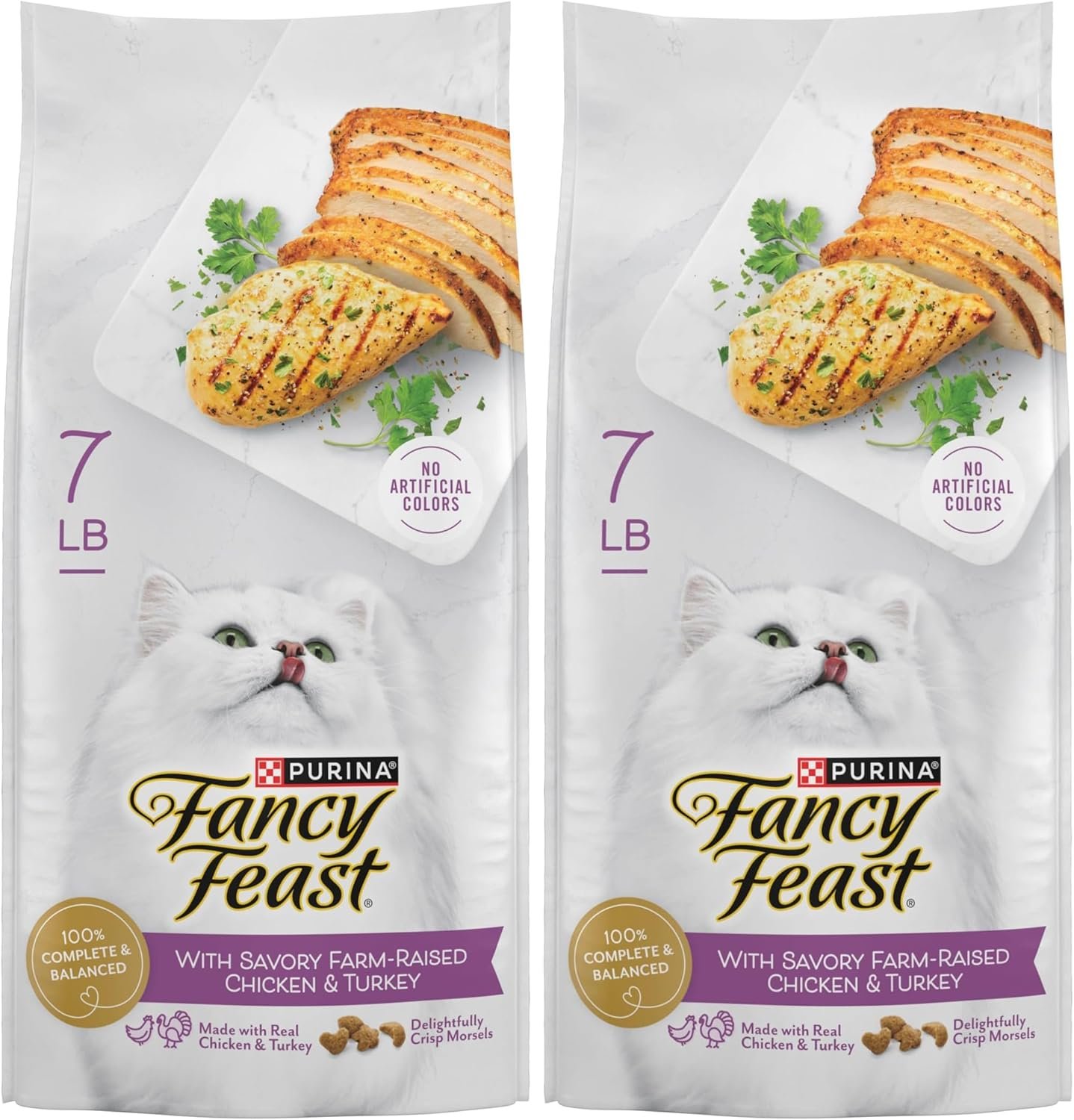
Whole Paws Grain-Free Indoor Cat Food
This grain-free formula is built for indoor cats specifically, and it leads with real salmon. The recipe adds fiber, prebiotics, pumpkin, flaxseed, fruits and vegetables to keep digestion moving.
Indoor cats often need more digestive support than the average outdoor cat, and this formula is built around that need without cutting corners on protein quality. If your cat reacts to certain grains or proteins, the grain-free base may help. For more dry-food options, browse our full dry cat food for indoor cats roundup.
Key Features
- Real salmon first ingredient
- Grain-free formula
- Added prebiotics and fiber
- Indoor-specific recipe
- Digestive support
| Pros | Cons |
|---|---|
| Excellent digestive support | Higher price point |
| High-quality protein | Salmon flavor may not suit every cat |
| Grain-free | |
| Indoor-focused nutrition |
Best For
Indoor cats needing digestive support and grain-free nutrition.
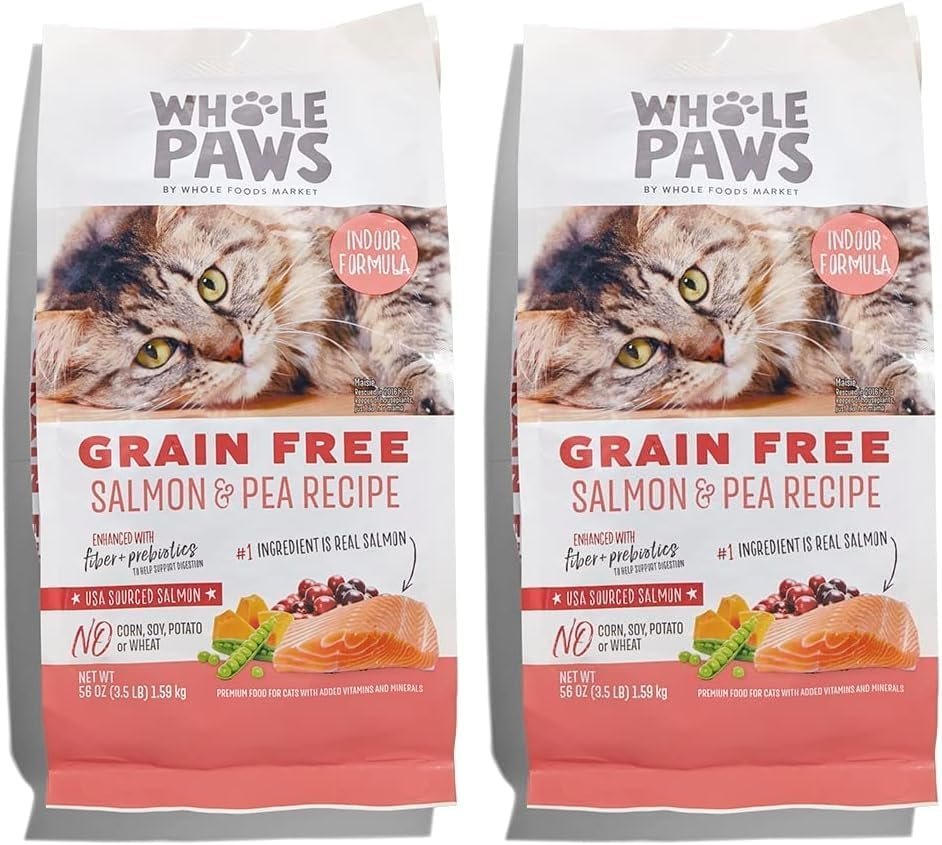
Tiki Cat Grill Pate Variety Pack
Tiki Cat builds its diets around a cat’s carnivorous needs, and this variety pack sticks to that with real fish recipes and a smooth pate texture most cats take to right away. The moisture content is high, which matters most for indoor cats, since they tend to drink less water on their own.
It’s made with non-GMO ingredients and dolphin-safe tuna, and it’s complete and balanced for all life stages. The soft texture works for kittens, adults and senior cats alike. If your cat leans toward wet food, or just needs more moisture in the diet, this variety pack is worth a look. For more high-moisture picks, browse our best wet cat food for indoor cats list.
Key Features
- High-protein fish recipes
- High moisture content
- Non-GMO ingredients
- Smooth pate texture
- Complete and balanced nutrition
| Pros | Cons |
|---|---|
| Excellent hydration support | More expensive than dry food |
| High-quality protein | Fish flavor may not suit all cats |
| Very palatable | |
| Suitable for all ages |
Best For
Indoor cats needing extra hydration and premium wet food.
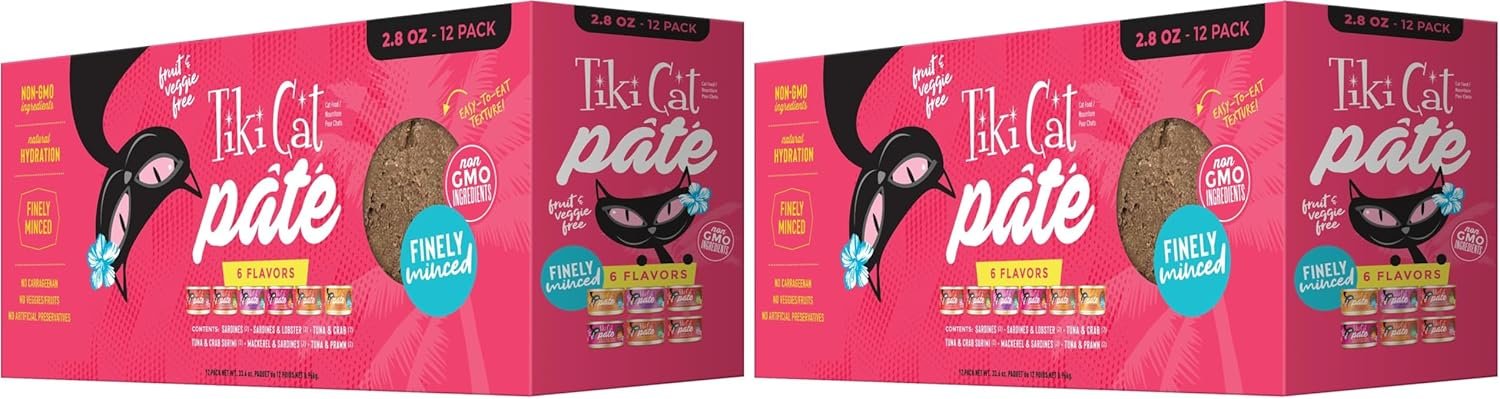
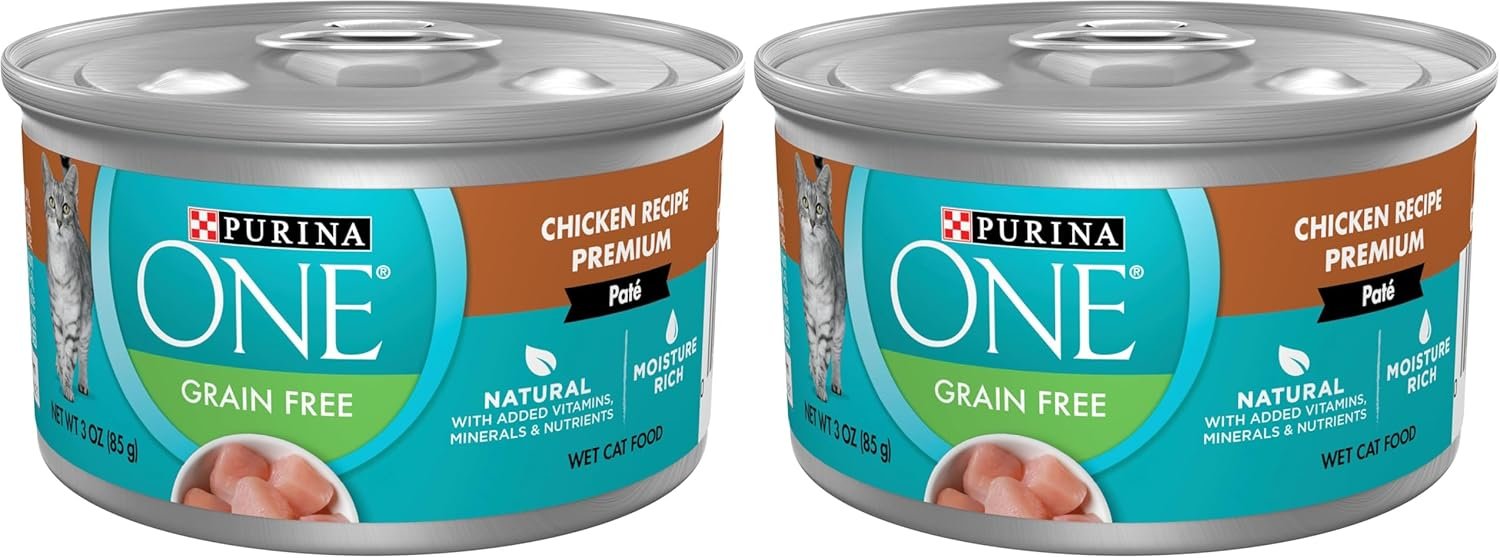
Purina ONE Grain-Free Chicken Pate
Purina ONE Grain Free Pate leads with real chicken and delivers complete, balanced nutrition. It’s protein-rich for muscle support, and the moisture content helps with hydration too.
The grain-free formula adds vitamins, minerals and antioxidants for immune health, skin and coat. It’s suitable for every life stage, so multi-cat households can feed one formula across the board instead of juggling several.
Key Features
- Real chicken first ingredient
- Grain-free recipe
- Complete nutrition
- High moisture content
- Added antioxidants
| Pros | Cons |
|---|---|
| High protein | Pate texture may not appeal to all cats |
| Supports hydration | Bulk purchase size |
| Grain-free | |
| Suitable for all life stages |
Best For
Indoor cats that need complete, protein-rich wet food.
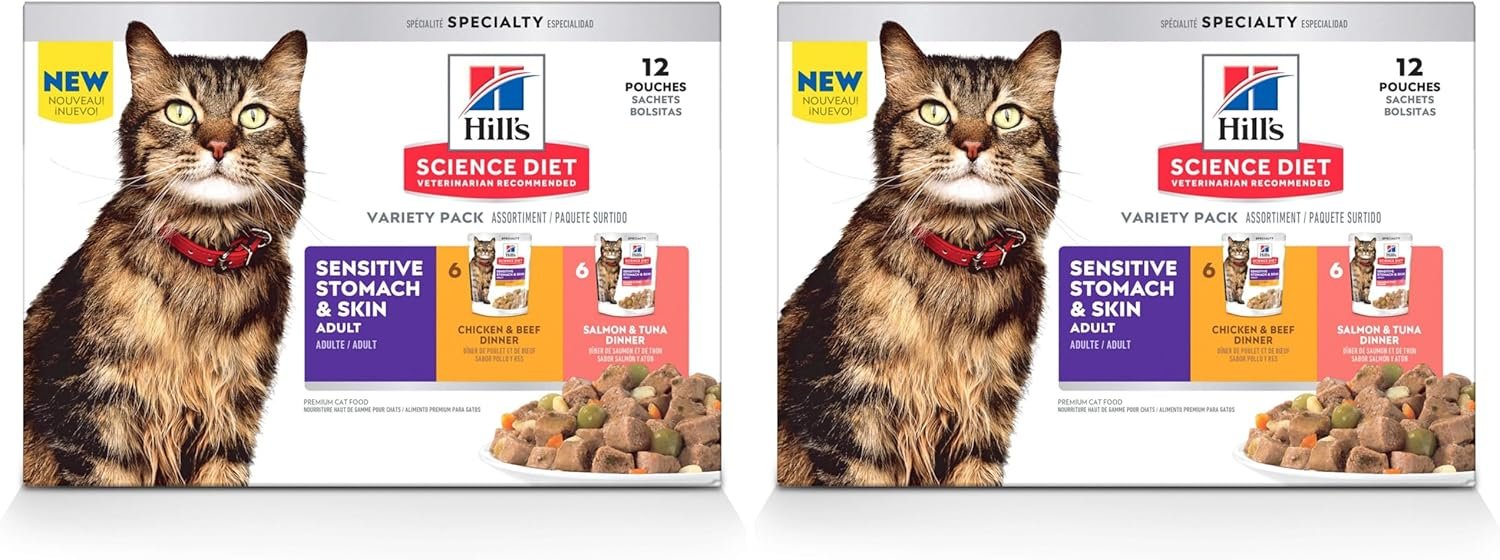
Hill’s Science Diet Sensitive Stomach & Skin Wet Cat Food
Hill’s Science Diet is a vet-recommended brand built on research-backed formulas, and this variety pack targets cats with sensitive stomachs and skin issues specifically.
The ingredients are easy to digest, while vitamin E and fatty acids support skin and coat health. Added gravy boosts moisture and makes meals more appealing to picky eaters. If your indoor cat deals with digestive sensitivities, this is one of the more targeted formulas on this list.
Key Features
- Easy-to-digest ingredients
- Supports skin and coat health
- High-quality protein
- Variety pack flavors
- Moist gravy texture
| Pros | Cons |
|---|---|
| Vet recommended | Premium cost |
| Excellent for sensitive cats | Pouch packaging creates more waste |
| High moisture | |
| Great flavor variety |
Best For
Indoor cats with sensitive stomachs or skin issues. Senior cats with similar sensitivities may also want to check our cat food for senior cats guide.
Blue Buffalo Blissful Belly Wet Cat Food
Blue Buffalo built Blissful Belly around one job: digestive health. It uses clinically proven prebiotic fiber to help maintain stool quality, and real chicken sits at the top of the ingredient list.
There’s no corn, wheat or soy filler here. Vets and animal nutritionists developed the formula for adult indoor cats dealing with occasional stomach upset, so if the “signs your cat’s digestion needs attention” checklist above sounds familiar, this is one of the more direct fixes on the list.
Key Features
- Clinically proven prebiotic fiber
- Real chicken first ingredient
- No corn, wheat, or soy
- Veterinarian formulated
- Digestive health support
| Pros | Cons |
|---|---|
| Excellent digestive support | Single-can purchase option |
| Natural ingredients | Higher price |
| High protein | |
| Vet formulated |
Best For
Adult indoor cats with digestive concerns.
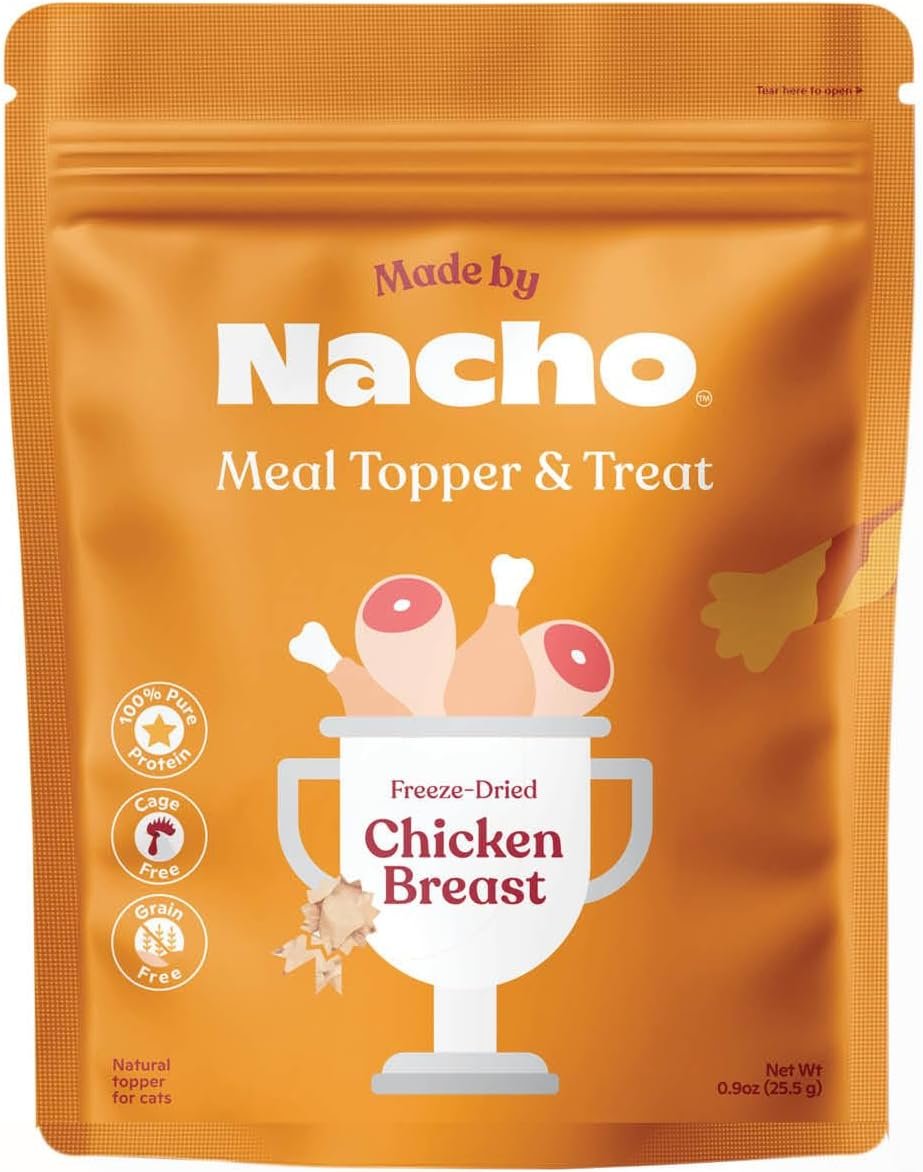
Made by Nacho Freeze-Dried Chicken Topper
This topper is premium cage-free chicken and nothing else, which is exactly why it works as a topper, mixer or treat for picky eaters and cats with food sensitivities. One protein, no guesswork.
Freeze-drying locks in flavor and nutrients while giving you a crunchy texture cats seem to love. Sprinkle it over kibble to get a reluctant eater interested, or hand it over as a high-value treat on its own. Indoor cats get bored with the same bowl day after day, and this adds variety without piling on fillers or artificial ingredients.
Key Features
- Single-ingredient chicken
- Freeze-dried for maximum nutrition
- Grain-free recipe
- Cage-free chicken
- No artificial additives
| Pros | Cons |
|---|---|
| Highly palatable | Premium price |
| Minimal ingredients | Small package size |
| Great for picky eaters | |
| High protein |
Best For
Picky indoor cats needing extra meal appeal.
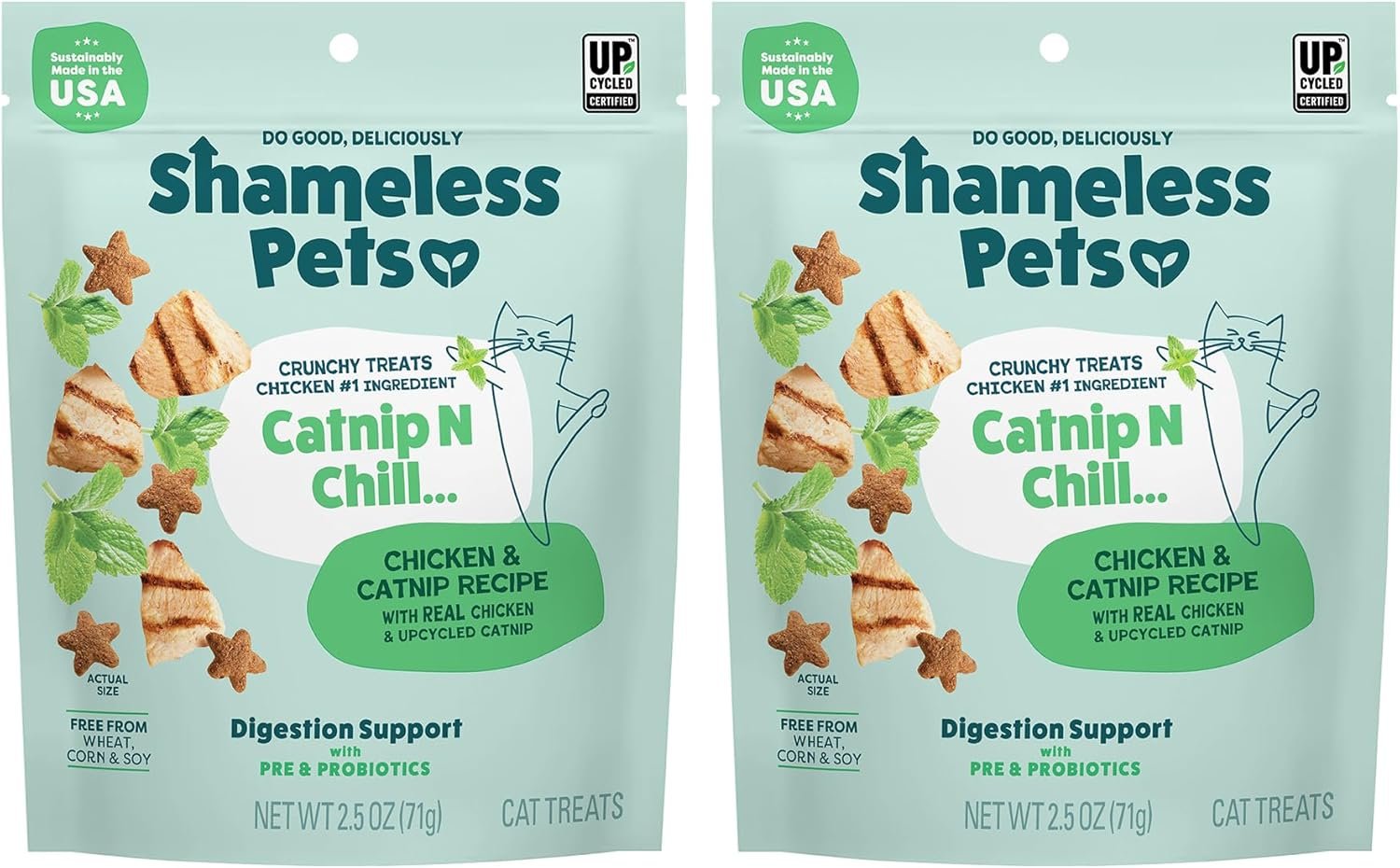
Shameless Pets Digestive Health Cat Treats
These crunchy treats mix real chicken with catnip and digestive-support ingredients, and it shows. Plenty of cat owners say even the pickiest eaters come running the second the bag opens. Prebiotics and probiotics in the formula may help with healthy digestion and fewer tummy troubles.
The crunchy texture offers some dental benefit too, and it satisfies a cat’s natural urge to chew. Since indoor cats can run into digestive issues from reduced activity, these treats fit naturally into a daily routine, whether as a reward, a training tool, or enrichment in a puzzle feeder. For more options, see our best cat treats for indoor cats list.
Key Features
- Real chicken as the first ingredient
- Added probiotics and prebiotics
- Crunchy texture supports dental health
- Catnip-enhanced flavor
- Natural ingredients
| Pros | Cons |
|---|---|
| Excellent digestive support | Some cats may not need digestive support |
| Highly palatable | Not all cats enjoy catnip flavor |
| Great for training | |
| Natural ingredients | |
| Crunchy texture |
Best For
Indoor cats that need digestive support and healthy treats.
Friskies Party Mix Gravy-Licious Cat Treats
Friskies Party Mix is a crunchy snack a lot of cats can’t resist. Chicken and gravy flavors deliver the taste, and each piece runs under two calories, so you can hand these out without wrecking a feeding plan.
The crunch supports dental health in a small way, and the fun shapes keep cats engaged during treat time. Large canisters make these convenient if you’re feeding more than one cat.
Key Features
- Chicken and gravy flavor
- Under two calories each
- Crunchy texture
- Dental benefits
- Large canister
| Pros | Cons |
|---|---|
| Affordable | Treat only, not complete nutrition |
| Cats love the flavor | Contains by-product ingredients |
| Great for multi-cat homes | |
| Low calorie |
Best For
Indoor cats that enjoy crunchy rewards.
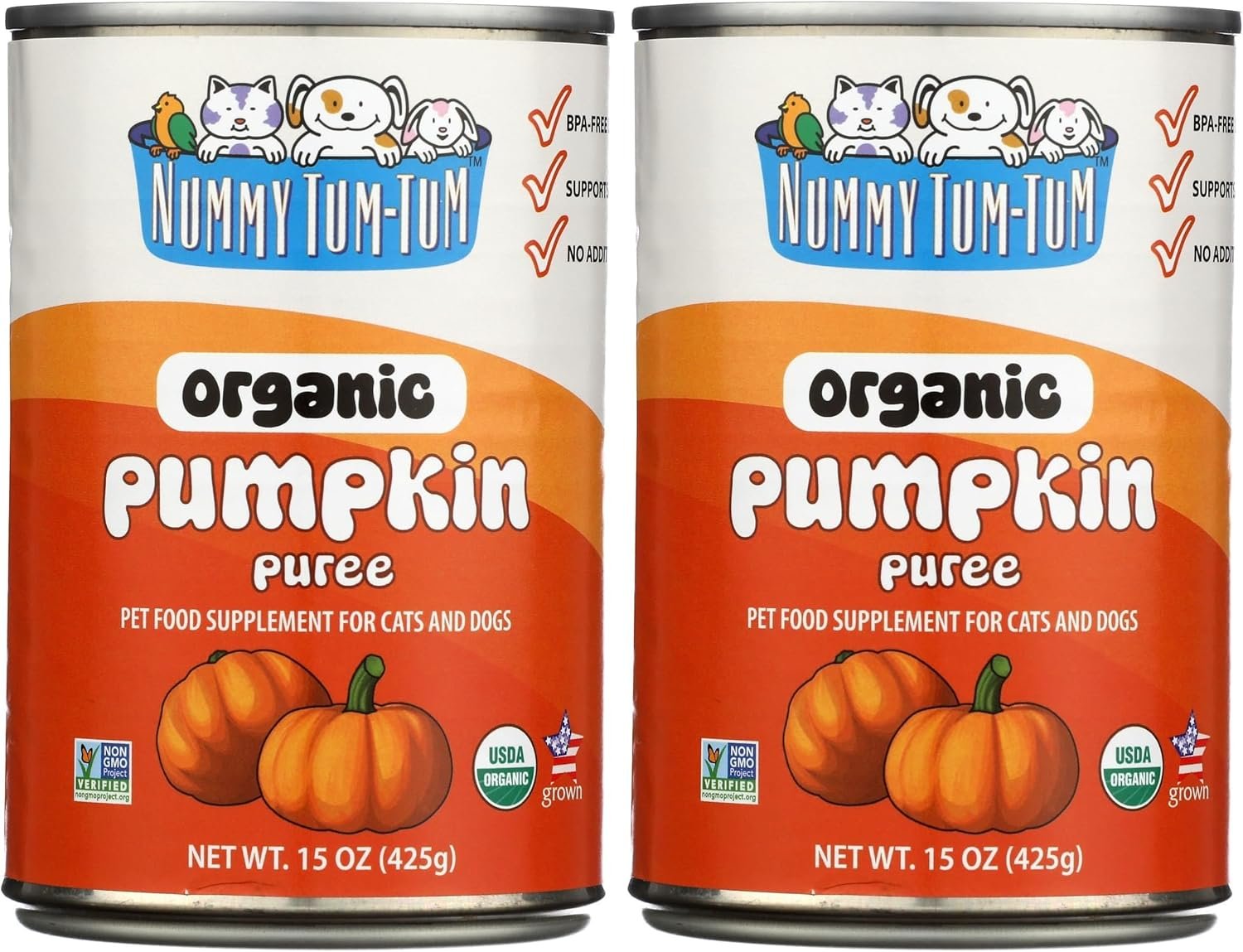
Nummy Tum Tum Organic Pumpkin
This one is simple: 100% organic pumpkin, nothing else, and it works as a digestive supplement rather than a full diet. The natural fiber can help with digestive regularity, which is exactly what you want if your cat gets occasional constipation or mild GI upset.
Vets often recommend plain pumpkin for this reason. It mixes easily into wet or dry food, so there’s no fighting your cat to get it down. Just remember it’s a supplement, not a replacement, so pair it with one of the complete diets above rather than feeding it alone.
Key Features
- 100% organic pumpkin
- Rich in natural fiber
- BPA-free packaging
- Supports digestion
- Easy to mix with meals
| Pros | Cons |
|---|---|
| Simple ingredients | Not a complete diet |
| Natural digestive aid | Some cats dislike pumpkin taste |
| Versatile use | |
| Long shelf life |
Best For
Indoor cats needing natural digestive support.
Comparison Table
| Product | Type | Main Protein | Best Feature | Best For |
| Purina Fancy Feast Chicken & Turkey Dry Cat Food | Dry Food | Chicken & Turkey | Complete nutrition | Everyday feeding |
| Whole Paws Grain-Free Indoor Formula | Dry Food | Salmon | Fiber & prebiotics | Indoor digestive health |
| Tiki Cat Grill Pate Variety Pack | Wet Food | Fish | High moisture | Hydration |
| Purina ONE Grain Free Wet Cat Food Pate | Wet Food | Chicken | High protein | Complete daily nutrition |
| Hill’s Science Diet Sensitive Stomach & Skin | Wet Food | Chicken, Beef, Fish | Sensitive stomach support | Sensitive cats |
| Blue Buffalo True Solutions Blissful Belly | Wet Food | Chicken | Clinically proven digestive support | Digestive care |
| Made by Nacho Freeze-Dried Chicken Breast | Topper/Treat | Chicken | Single ingredient | Picky eaters |
| Shameless Pets Digestive Health Catnip Chicken Crunchy Cat Treats | Treat | Chicken | Digestive support | Cats with tummy issues |
| Friskies Party Mix Gravy-Licious | Treat | Chicken | Low-calorie crunchy treats | Multi-cat households |
| Nummy Tum Tum Organic Pumpkin | Supplement | Pumpkin | Natural digestive aid | Constipation support |
How We Chose These Products
We looked at several factors to narrow this list down. High-quality animal protein came first, since cats are obligate carnivores and thrive on meat-based diets. From there we weighed how well each formula supports the things indoor cats struggle with most: digestion, hydration, weight management and skin health.
Customer reviews, ingredient quality, brand reputation and nutritional value all factored in. Formulas with added probiotics, prebiotics or natural digestive support got extra weight, since digestive wellness comes up constantly with indoor cats. We also made sure to include a mix of wet foods, dry foods, treats and supplements so this list works across feeding styles and budgets.
Key Nutrients Indoor Cats Need
| Nutrient | Why It Matters | Where to Find It |
|---|---|---|
| Animal protein | Builds and maintains muscle; cats can’t get it from plant sources the way we can | Chicken, turkey, salmon, fish |
| Taurine | An amino acid cats can’t make enough of on their own; needed for heart and eye health | Added to most complete and balanced commercial diets |
| Fiber | Moves hair through the gut instead of letting it form hairballs; supports regular stool | Pumpkin, flaxseed, prebiotic blends |
| Moisture | Indoor cats often under-drink; wet food helps make up the difference | Wet food, pate, gravy-based recipes |
| Omega-3 and omega-6 fatty acids | Support skin and coat condition, which matters for cats who self-groom constantly | Fish oil, flaxseed |
How to Transition Your Cat to a New Food
Switching foods too fast is one of the most common ways owners accidentally trigger a digestive upset. Cats have sensitive systems, and a sudden change can mean loose stool, vomiting or a cat that just refuses to eat. Go slow instead.
- Days 1-2: Mix about 25% new food with 75% of the old food.
- Days 3-4: Move to a 50/50 mix.
- Days 5-6: Shift to 75% new food and 25% old food.
- Day 7 onward: Feed 100% new food, and watch stool and appetite for a few more days.
If you see loose stool or vomiting at any stage, slow down and hold at the current ratio a few extra days before moving forward. Cats with a known sensitive stomach may need an even longer transition, sometimes two weeks or more.
Buying Guide
Important Features to Consider
Choose foods that list real meat as the first ingredient and provide complete and balanced nutrition. Beyond the ingredient list, look for:
- Moderate calorie density suited to a low-activity lifestyle
- Fiber or prebiotics for hairball and digestive support
- A mix of wet and dry food to support hydration
- AAFCO statement confirming complete and balanced nutrition
Safety Considerations
Always introduce new foods gradually over seven to ten days (see the transition plan above) and check with your vet if your cat has an existing health condition. Cats managing diabetes or kidney disease need a vet-approved diet, not a general indoor formula. Our cat food for diabetes guide covers what to look for if that applies to your cat.
Ingredient Quality
Look for premium proteins, limited fillers and natural ingredients, and steer clear of excessive artificial additives. If natural sourcing matters most to you, see our best natural cat food for indoor cats guide for more options.
Age Suitability
Kittens, adults and senior cats all need different things nutritionally, so stick to age-appropriate formulas. Kittens need more protein and calories to support growth, so check our best kitten food for indoor cats guide before feeding an adult formula to a growing kitten.
Budget Considerations
Premium foods often use better ingredients, but plenty of affordable options still deliver solid nutrition. Pick the best food your budget allows, and compare cost per feeding rather than price per bag when you’re weighing brands against each other.
Frequently Asked Questions
What is the best cat food for indoor cats?
The best cat food for indoor cats has high-quality protein, balanced calories, digestive support and enough moisture. Purina Fancy Feast Chicken & Turkey is our top pick for everyday dry feeding, Tiki Cat Grill Pate is best for hydration, and Blue Buffalo Blissful Belly is the strongest pick if digestive health is your main concern.
What should I feed my indoor cat?
Feed a complete and balanced diet with real meat as the first ingredient, ideally a mix of wet and dry food. Portion by your cat’s weight and activity level instead of free-feeding, since indoor cats put on weight easily.
Should indoor cats eat wet or dry food?
A combination of both tends to work best. Wet food supports hydration, and dry food adds convenience and a crunchy texture cats enjoy.
Do indoor cats need special food?
Yes. Indoor cats are typically less active, and they often do better on foods built around weight management and digestive support rather than a generic all-purpose formula.
How often should I feed my indoor cat?
Most adult indoor cats do fine on two measured meals a day, though feeding needs shift with age and activity level.
Is grain-free cat food better for indoor cats?
Not automatically. Grain-free diets can help cats with specific sensitivities, but plenty of cats do just fine on formulas that include healthy grains.
What foods help with indoor cat digestive health?
Look for added fiber, prebiotics or probiotics, and moderate to high moisture content. Blue Buffalo Blissful Belly and Hill’s Science Diet Sensitive Stomach & Skin are both built specifically for this, and plain pumpkin, like Nummy Tum Tum, works well as an add-in for occasional issues.
How do I know if my indoor cat has digestive issues?
Watch for loose or hard stool that lasts more than a day or two, frequent hairballs, straining in the litter box, or a sudden change in appetite. Occasional hairballs are normal; anything more persistent is worth a food change first and a vet visit if it doesn’t clear up.
What is the best kitten food for indoor cats?
Kittens need higher protein and calorie density than adult cats to support growth. See our dedicated best kitten food for indoor cats guide for age-appropriate picks.

Written by Mishu
A passionate cat lover and indoor living enthusiast, Mishu is the founder and voice behind Indoor Living Cat – a go-to resource for cat owners who want to create the happiest, healthiest life for their feline companions indoors.
View Full Profile